By Craig Bennett Group
Phoenix pricing changes quickly from one neighborhood to the next, so setting the right list price starts with the immediate market around the home rather than a broad citywide number. In areas like Arcadia, North Central, Desert Ridge, and the Biltmore corridor, we look at recent comparable sales, active competition, lot profile, finish level, and outdoor features because those details shape how the market responds.
Setting home prices in Phoenix works best when the number reflects the property’s exact location, condition, and competitive position from the start.
Key Takeaways
-
Location: Phoenix pricing changes by neighborhood and street
-
Condition: Finish level and updates shape perception quickly
-
Timing: Season and inventory affect early activity
-
Strategy: Positioning matters as much as the number
Phoenix Requires Neighborhood-Level Pricing
Phoenix covers a wide range of housing types, and each pocket carries its own pricing logic.
Why neighborhood detail comes first
-
Arcadia: Large lots, remodel quality, and proximity to favorite dining corridors influence pricing.
-
North Central: Ranch architecture, mature landscaping, and lot width shape value.
-
Biltmore Area: Views, gate access, and luxury finish level affect positioning.
-
Desert Ridge: Golf access, newer construction, and community design influence appeal.
We use those distinctions to make sure the list price reflects how people actually compare homes in Phoenix.
Comparable Sales Need More Than a Quick Search
A pricing strategy only works when the comparable sales actually match the home being listed.
The comparable factors we review first
-
Lot Characteristics: Cul-de-sac placement, mountain views, corner exposure, and backing conditions all matter.
-
Architectural Style: Spanish, contemporary, ranch, and soft modern homes draw different reactions.
-
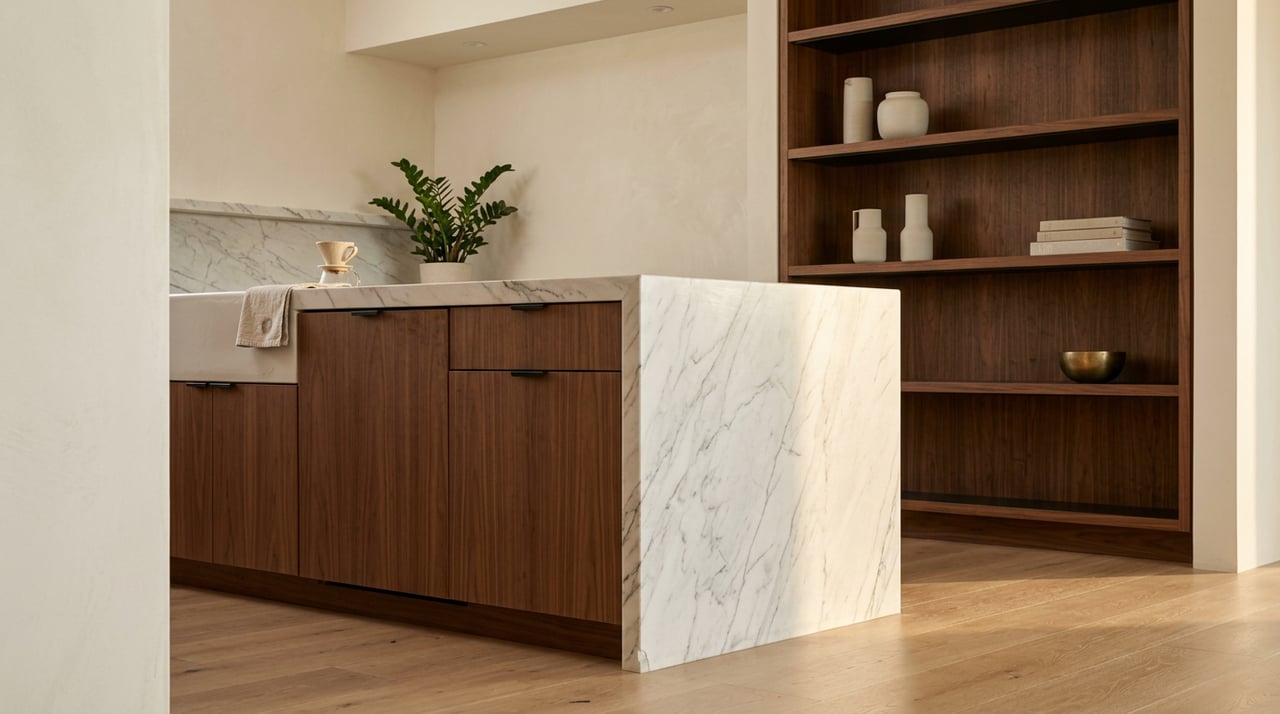
Interior Finish Level: Cabinet quality, stone selection, flooring continuity, and kitchen design influence value.
-
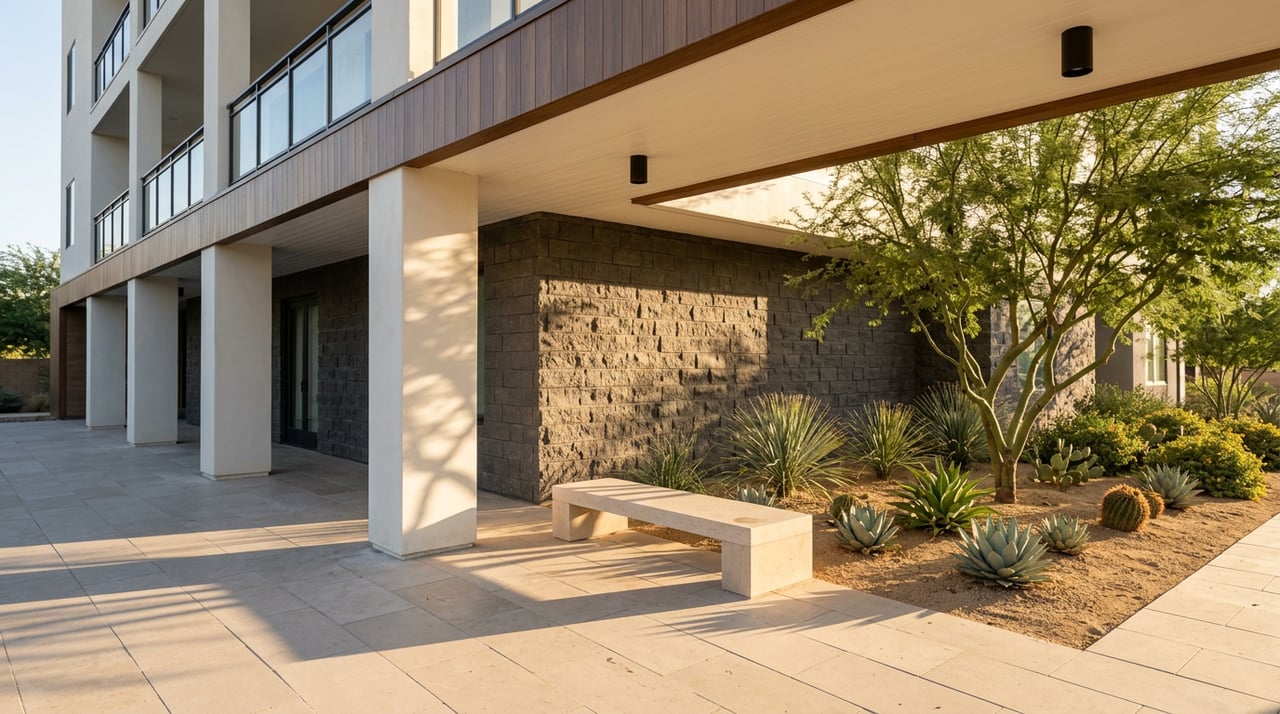
Outdoor Use: Pools, covered patios, outdoor kitchens, and turf or desert landscaping affect daily livability.
We review recent sales, current competition, and properties that failed to gain traction because Phoenix often reveals pricing mistakes through stale market time rather than immediate feedback.
Condition and Presentation Shape the Number
Pricing and presentation work together in Phoenix because visual appeal shows up immediately in listing photos and first walkthrough impressions.
The presentation points that affect pricing most
-
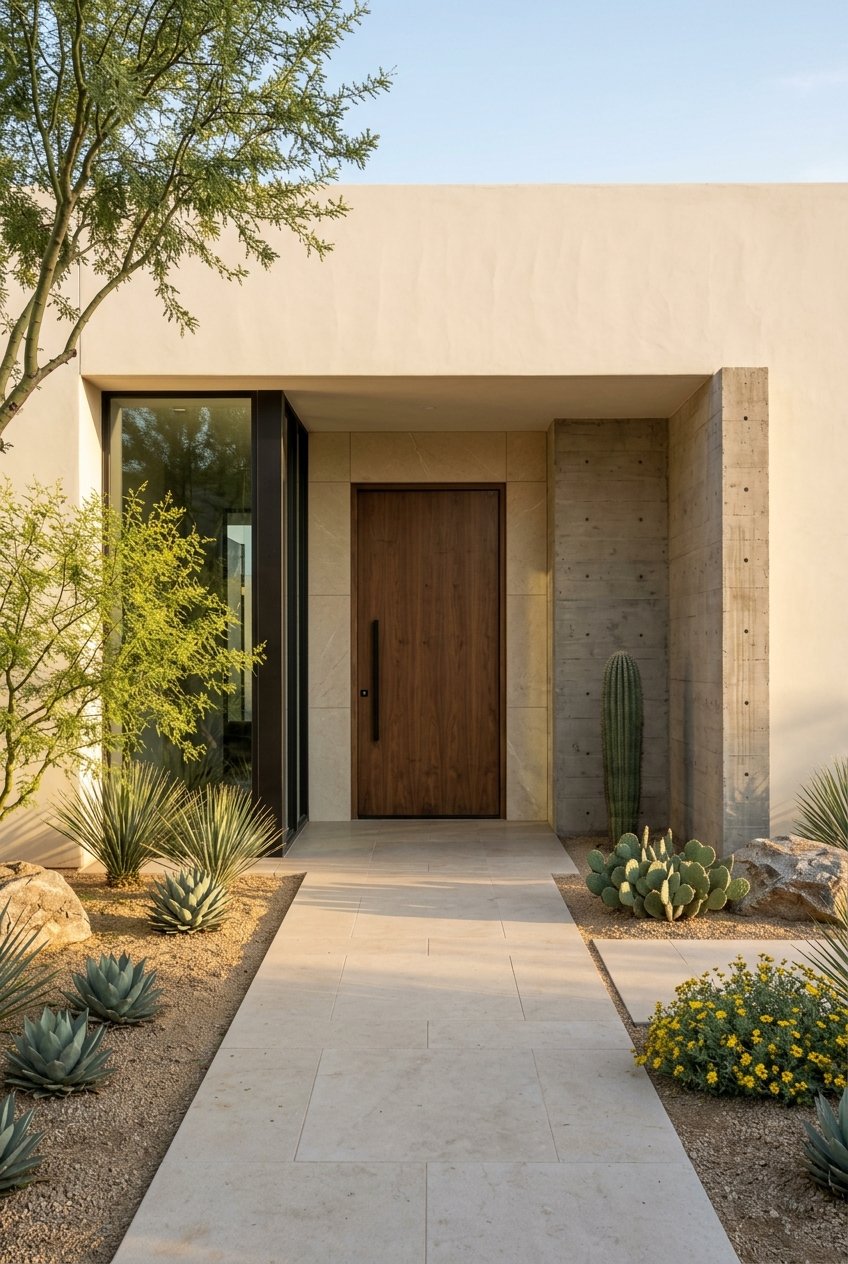
Entry Experience: A clean approach, updated front elevation, and cohesive landscaping create instant clarity.
-
Kitchen Finish: Counters, cabinetry, appliances, and lighting carry major weight in luxury segments.
-
Primary Suite Quality: Bath design, closet function, and overall scale influence perceived value.
-
Backyard Appeal: Pools, shaded seating, and mountain or golf-course orientation change the full package.
A home with refined finishes and a polished outdoor setting usually earns more confidence in the opening days on the market.
Overpricing Has a Real Cost in Phoenix
Phoenix buyers in the luxury segment usually know the top neighborhoods, the recent listings, and the finish standards they expect to see.
The warning signs we discuss early
-
Low Showing Volume: Fewer appointments can signal a mismatch between price and perceived value.
-
Online Hesitation: Save rates and inquiry patterns often soften when the number feels off.
-
Repeated Reductions: Multiple price cuts can weaken the property’s market position.
-
Comparison Drift: Attention can move to competing homes in Paradise Valley-adjacent or Camelback East locations.
When a property starts too high, it can lose momentum quickly, especially in areas where buyers compare homes across a tight group of streets and subdivisions.
The Best Price Tells a Clear Story
The most effective list price usually feels logical as soon as the home, lot, and neighborhood are considered together.
The pricing story we aim to build
-
Location Fit: The number should match the immediate neighborhood and the street’s reputation.
-
Property Identity: The pricing should reflect whether the home reads as classic, transitional, or fully custom.
-
Lifestyle Value: Outdoor living, privacy, and access to Phoenix amenities should be accounted for.
-
Market Credibility: The launch price should invite serious attention right away.
Setting home price successfully depends on making the value story feel easy to understand from the first photo through the first showing.
FAQs
How do we know whether our Phoenix home should be priced above recent comparable sales?
We look at whether the home truly offers something the recent sales did not, like a larger lot, a better view corridor, a more complete renovation, or a more compelling outdoor setup.
Does pricing change much from Arcadia to North Central or Desert Ridge?
Yes, it does. Those neighborhoods attract attention for different reasons, and the market evaluates land, architecture, and finish level differently in each one.
Should we leave room for negotiation when we list?
We usually focus more on accurate positioning than on padding the number. A price that feels credible at launch often creates better leverage than a price built around a future reduction.
Contact Craig Bennett Group Today
Phoenix pricing requires more than a generic spreadsheet because the city’s luxury market changes from one pocket to the next, from the ranch streets of North Central to the larger-lot appeal of Arcadia and the resort-adjacent feel around Biltmore and Desert Ridge.
Reach out to us at Craig Bennett Group, and we will help you evaluate your home through the lens of neighborhood competition, finish quality, lot value, and the seasonal timing that shapes activity across Phoenix.
Reach out to us at Craig Bennett Group, and we will help you evaluate your home through the lens of neighborhood competition, finish quality, lot value, and the seasonal timing that shapes activity across Phoenix.