Wondering whether Phoenix is the right place to buy a home? That question makes sense, because Phoenix is not one simple market. It is a large, varied city with everything from downtown high-rises to historic neighborhoods, master-planned communities, and larger-lot desert-edge areas. If you are trying to decide whether buying in Phoenix fits your lifestyle, budget, and long-term plans, this guide will help you weigh the factors that matter most. Let’s dive in.
Why Phoenix Feels So Different
Phoenix is the fifth largest city in the United States, with an estimated 2024 population of 1,673,164 spread across 518 square miles. That scale shapes almost every home search. Instead of one uniform housing market, you are really choosing among distinct micro-markets across the city.
That matters because your experience can vary a lot depending on where you buy. One part of Phoenix may feel urban and connected to transit, while another feels quieter, lower density, and more car-dependent. Looking at the city through that lens can help you make a more confident decision.
Start With the Lifestyle You Want
Phoenix works best when you match your home search to the kind of daily life you want. The city’s planning framework divides Phoenix into 15 urban villages, and each one has its own development pattern, housing mix, and future growth direction. For buyers, that means location is not just about price. It is about fit.
Urban core living
If you want a more urban environment, Central City and parts of Encanto may stand out. Central City functions as downtown Phoenix and a transportation hub tied to freeways, public transit, and Sky Harbor. Encanto includes a mid-density core along Central Avenue with commercial, office, and high-rise residential development.
This type of location can work well if you value shorter access to downtown destinations, airport convenience, and a more vertical housing option. It may also appeal to buyers interested in condos, loft-style living, or a lower-maintenance setup.
Historic central neighborhoods
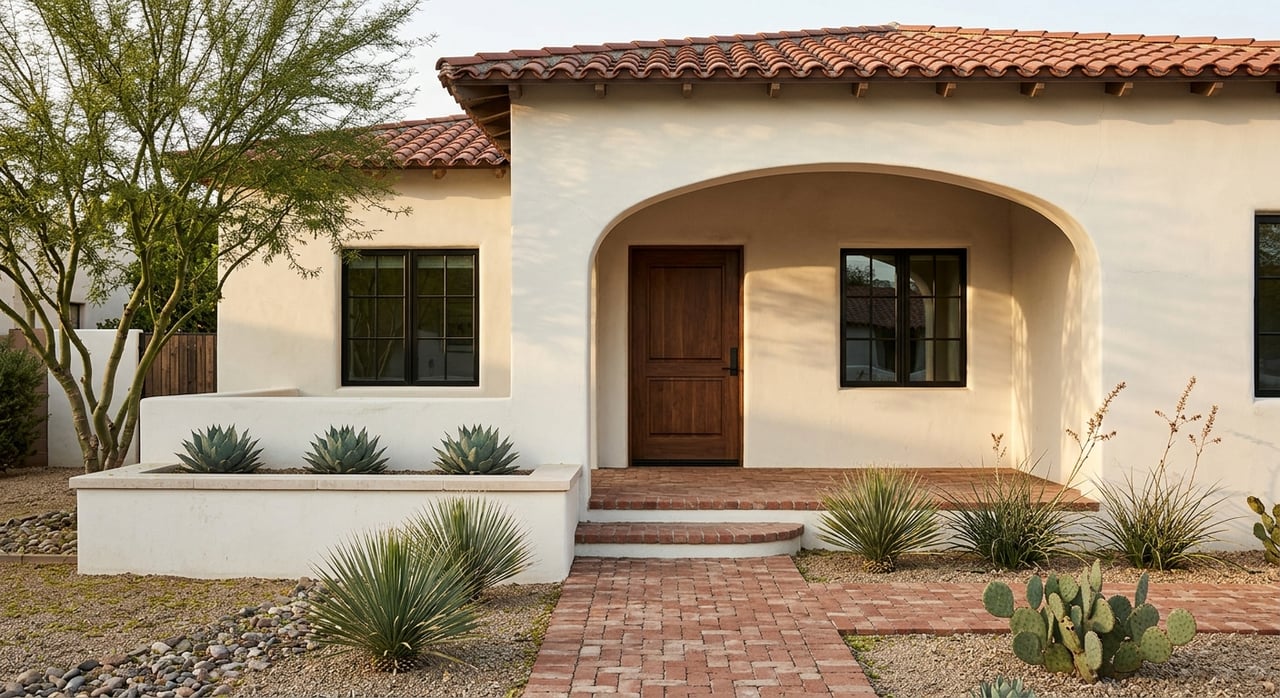
If character matters more than newness, some central neighborhoods may feel like a better match. Alhambra includes older homes and historic areas such as Windsor Square, with homes built primarily from the 1930s through the 1950s. These areas can offer a different streetscape, lot pattern, and architectural feel than newer communities.
That said, older neighborhoods can come with different ownership considerations. In some areas, historic preservation rules may affect future exterior changes or remodeling plans, so it is wise to understand that early in your search.
Master-planned suburban areas
If you want a more traditional suburban setup, Phoenix offers that too. Ahwatukee Foothills is known for master-planned single-family neighborhoods, while Deer Valley and North Gateway emphasize diverse housing types, employment centers, and freeway access. These areas often attract buyers looking for neighborhood consistency and newer development patterns.
For many buyers, this type of area feels easier to compare from block to block. You may also find that a newer home layout, community structure, or easier access to major roads fits your priorities better than an older central neighborhood.
Desert-edge and larger-lot options
Some buyers want more space, a lower-density setting, or a stronger desert backdrop. Desert View includes everything from higher-density Desert Ridge areas to equestrian properties, condominiums, master-planned communities, and large-lot single-family homes. Laveen blends rural character, agricultural heritage, and mountain access.
These areas can appeal if you want a little more breathing room or a different pace. They can also raise practical questions about commute time, yard maintenance, and how much outdoor space you truly want to care for year-round.
Consider Your Commute and Daily Access
A home can look great on paper and still feel wrong if the day-to-day location does not work. Phoenix has a mean travel time to work of 25.7 minutes, but that citywide number only tells part of the story. Because Phoenix is so large, your actual convenience depends heavily on where you live relative to work, freeways, transit, and the places you visit often.
If you commute regularly, think beyond distance alone. Ask yourself how often you need freeway access, whether public transit matters, and how much time you want to spend crossing the city. Central Phoenix can offer stronger access to transportation connections, while outer areas may trade that convenience for other lifestyle benefits.
Airport access can be a real advantage
For some buyers, airport proximity is more important than they first realize. Sky Harbor handles more than 130,000 passengers on a typical day and is a major part of the city’s transportation network. If you travel often for work, family, or seasonal living, being closer to central areas may improve your routine.
This is one of those lifestyle factors that can shape long-term satisfaction. A home that saves you time every month can be more valuable to your daily life than a slightly larger home in a less convenient location.
Be Honest About Phoenix Heat
For many buyers, climate is the biggest deciding factor. According to NOAA 1991 to 2020 normals for Phoenix Sky Harbor, the annual average high is 87.1°F, and Phoenix sees about 111 days each year at or above 100°F. It also sees about 173 days at or above 90°F.
If you already know you enjoy warm weather, that may sound manageable. If you dislike intense heat, it is worth being very realistic before you buy. Summer living in Phoenix is not just a weather issue. It influences how you use your yard, how much shade matters, and how you think about outdoor comfort.
Outdoor living works differently here
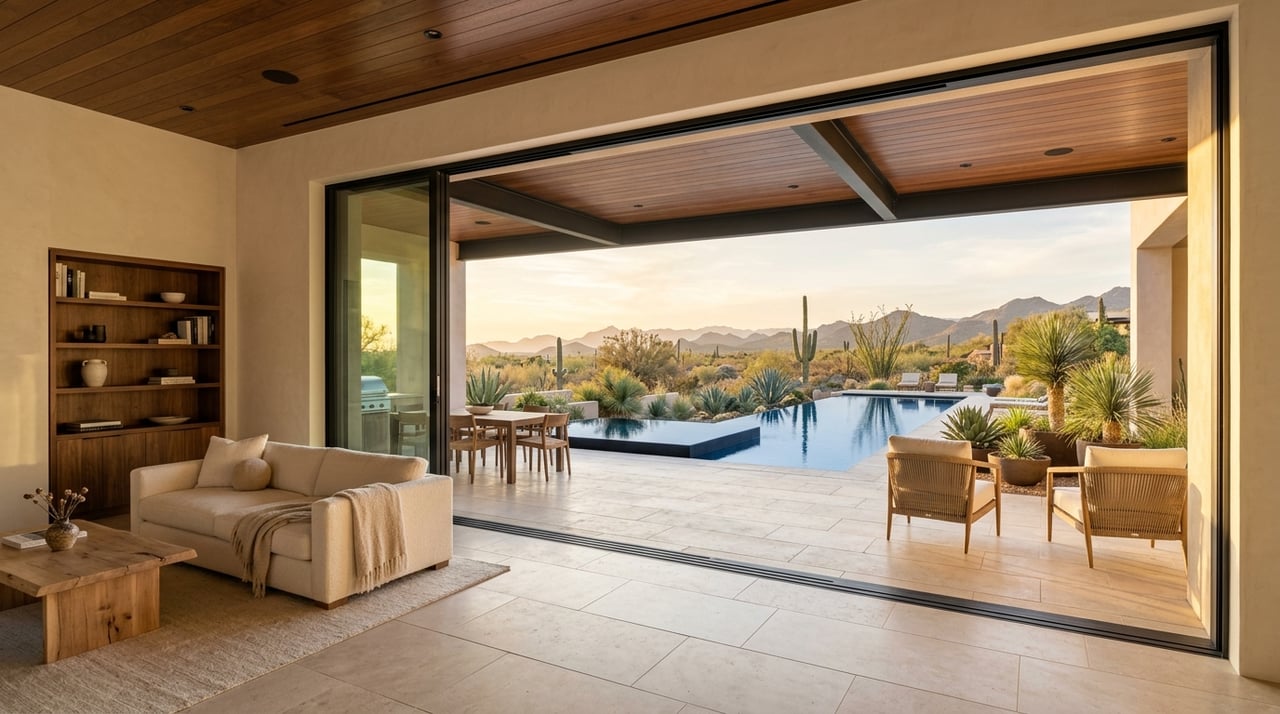
In Phoenix, outdoor space is still important, but the way you use it may differ from other markets. Shade structures, covered patios, pool care, and lower-water landscaping can all affect ownership costs and maintenance routines. A home with a large yard may sound appealing until you think through how much of it you will actually use in peak summer.
This is where design and layout matter. Sometimes a well-planned patio, smart orientation, and easier-care landscaping can serve you better than sheer lot size.
Water and Yard Design Matter More Than You Think
Phoenix Water Services describes drought as a long-term challenge, while also noting that the city has a diversified water portfolio and long-range planning in place. The city also notes that up to 70% of household water use can happen outdoors. For buyers, that makes landscaping more than a visual choice.
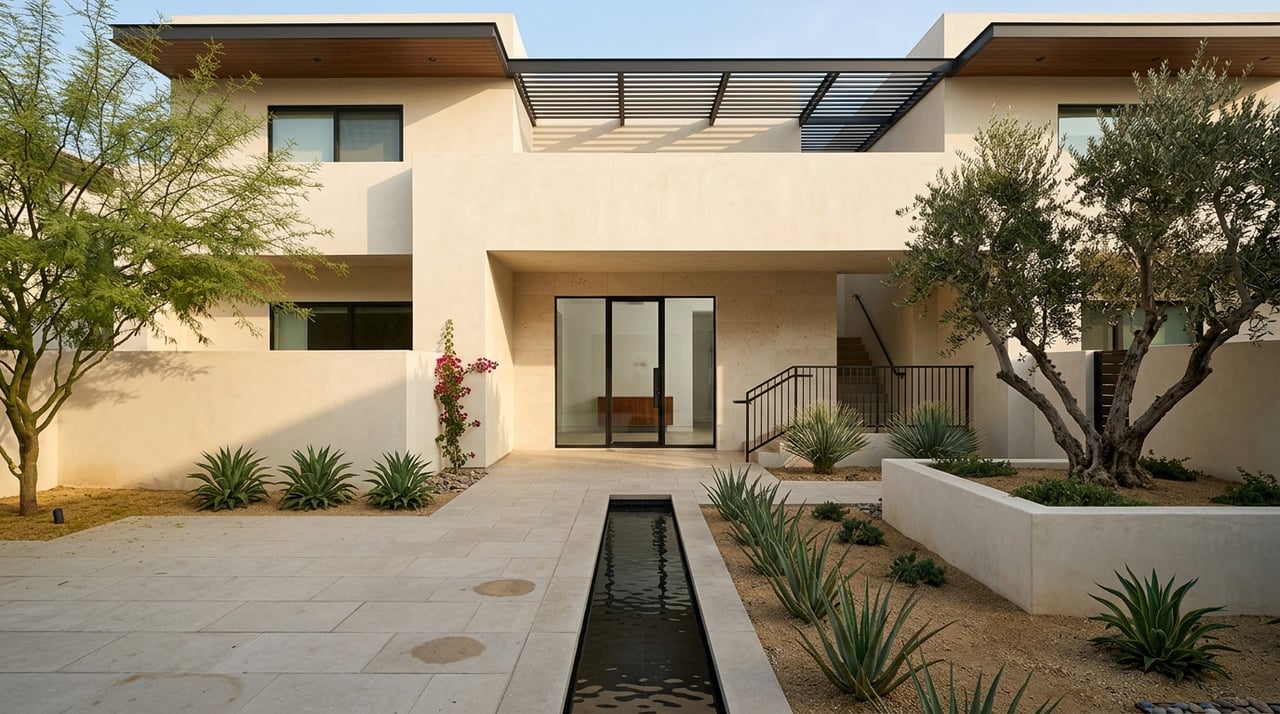
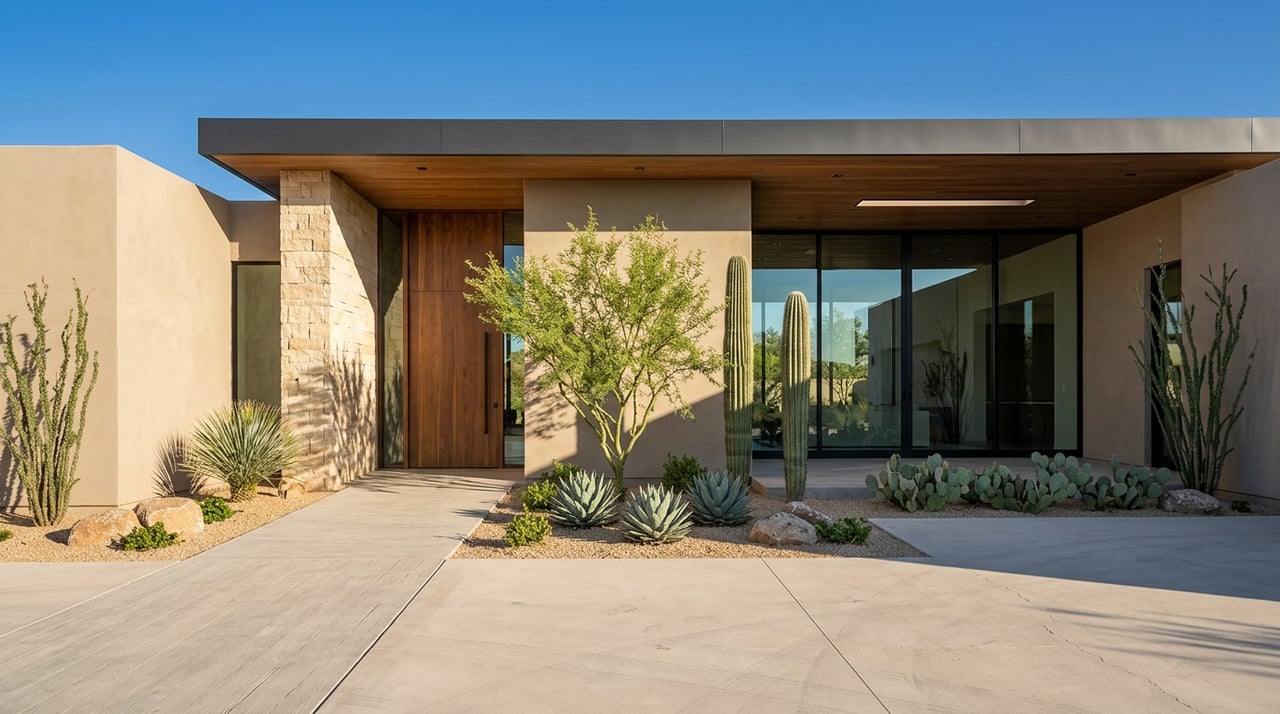
If you are comparing properties, pay attention to irrigation systems, plant choices, and the amount of outdoor area that needs regular care. A desert-oriented yard can reduce water use and often lower maintenance. That may be especially important if you want a lock-and-leave property, a part-time residence, or simply a more manageable ownership experience.
Think About Home Age and Future Changes
Another major factor is whether you prefer a newer home or an older one with more character. Phoenix offers both. Newer communities may provide more uniform development patterns and layouts that feel familiar to today’s buyers, while older neighborhoods often offer distinct architecture and a stronger sense of place.
Neither choice is automatically better. The right fit depends on your priorities, including design preference, renovation appetite, and how much flexibility you want for future updates.
Historic preservation may affect remodel plans
In some older Phoenix neighborhoods, historic preservation review can shape what exterior changes are allowed. If you love the charm of a historic area, that may be part of the appeal. If you want to make significant exterior updates, it is something to understand before you buy.
This is one reason local, neighborhood-specific guidance matters. Two appealing homes in central Phoenix may come with very different long-term ownership expectations.
Phoenix vs Nearby Cities
Sometimes the real question is not just whether to buy in Phoenix. It is whether Phoenix fits you better than a nearby city. Based on official city descriptions, Phoenix is the broadest all-purpose choice in the metro. It offers urban core living, historic districts, suburban-style master-planned areas, and desert-edge settings all within one city.
Nearby cities tend to have more defined identities. Scottsdale is closely tied to Old Town, art, dining, nightlife, and the McDowell Sonoran Preserve. Tempe is notable for bus service, nine light rail stops, a streetcar, and Tempe Town Lake. Chandler emphasizes innovation, recreation, and family roots, while Glendale is strongly associated with sports, entertainment, historic attractions, and Westgate.
If you want maximum variety, Phoenix may be the better fit. If you want a city with a narrower lifestyle identity, one of the neighboring cities may align more clearly with your goals.
Questions to Ask Before You Buy in Phoenix
Before you commit, it helps to pressure-test your decision with a few practical questions:
- Do you want urban core living, a historic central neighborhood, a master-planned suburb, or a larger-lot desert-edge setting?
- How important are commute time, freeway access, transit options, and airport convenience?
- Are you comfortable with Phoenix’s extreme summer heat and the ownership habits that come with it?
- Would you prefer a newer home, or are you drawn to an older neighborhood with more character?
- If you are looking at an older area, are you comfortable with possible historic preservation review?
- Do you want the broad range of choices Phoenix offers, or would a nearby city’s more defined identity suit you better?
The more clearly you answer these questions, the easier it becomes to narrow the right part of Phoenix for your search.
How to Decide if Phoenix Is Right for You
Phoenix can be a great place to buy if you value choice. Few cities in the metro offer this many different living environments under one name. That variety is a strength, but it also means you need to shop carefully.
The best way to decide is to look beyond the idea of Phoenix as a whole. Focus on your daily routine, your tolerance for heat, your commute needs, the kind of home you want, and how much maintenance you are willing to take on. Once those pieces are clear, the right village or neighborhood usually becomes easier to spot.
If you want a grounded, neighborhood-by-neighborhood view of Phoenix, the team at Craig Bennett Group can help you compare options across Metro Phoenix and find a property that fits both your lifestyle and long-term goals.
FAQs
What makes buying a home in Phoenix different from buying in a smaller city?
- Phoenix covers 518 square miles and includes many distinct micro-markets, so your experience can vary significantly depending on the village, commute pattern, and housing type you choose.
What types of neighborhoods can buyers find in Phoenix?
- Buyers can find urban core areas, historic central neighborhoods, master-planned suburban communities, and desert-edge or larger-lot settings across the city’s 15 urban villages.
How important is commute planning when buying in Phoenix?
- Commute planning is very important because Phoenix is a large city, and convenience depends heavily on your location relative to work, freeways, transit, and Sky Harbor.
What climate factors should buyers consider before moving to Phoenix?
- Buyers should think carefully about summer heat, outdoor comfort, shade, landscaping, and maintenance, since Phoenix averages about 111 days a year at or above 100°F.
What should buyers know about older Phoenix neighborhoods?
- Older neighborhoods may offer more character and distinct architecture, but in some areas historic preservation rules can affect exterior changes and remodeling plans.
How does Phoenix compare with nearby cities for homebuyers?
- Phoenix generally offers more variety in lifestyle and housing choices, while nearby cities like Scottsdale, Tempe, Chandler, and Glendale tend to have more defined identities.