If you're thinking about buying a home in Scottsdale, Arizona, you're looking at one of the most resilient and high-performing real estate markets in the entire Southwest. But Scottsdale isn't a single market — it's several micro-markets stacked on top of each other, each with its own pricing logic, buyer profile, and lifestyle tradeoffs.
This guide breaks down everything you need to know before making one of the most significant financial decisions of your life: the real numbers, the neighborhood-by-neighborhood breakdown, the Arizona-specific process quirks, and the financing realities of buying in a city where the median single-family home sits well above $900,000.
Is Scottsdale a Good Place to Buy a Home?
The short answer is yes — but context matters.
Scottsdale's population currently sits at approximately 248,321, growing at a modest 0.44% annually. This isn't the explosive sprawl you see in the outer West Valley cities like Buckeye or Surprise. It's deliberate, steady growth driven by high-income migration and a specialized job market — which is exactly the kind of growth that protects property values over time.
On the employment side, Scottsdale ranks among the top 5 U.S. cities for job growth as of Q1 2026. Its economy is anchored in healthcare, finance, technology, and tourism. Major employers include HonorHealth, CVS Health/Aetna, GoDaddy, Vanguard, Nationwide Insurance, and General Dynamics — a lineup that reflects the city's identity as part of Arizona's "Silicon Desert" corridor.
The quality of life data is equally compelling. Over 90% of residents rate their quality of life as "excellent" or "good," and 9 out of 10 feel safe in their neighborhoods. The average commute is just 21.6 minutes. U.S. News & World Report ranks Scottsdale among the best places to live in the country, specifically citing its job market strength and high desirability.
For families, the Scottsdale Unified School District is an "A"-rated district by the Arizona State Board of Education, with 29 out of 30 schools earning an "A" or "B" rating. High schools like Desert Mountain and Chaparral consistently score 8 or 9 out of 10 on GreatSchools, with particular strength in college readiness and STEM programs.
The one honest caveat: Scottsdale's high cost of living does slightly suppress its "value" scores in broader national rankings. You get a lot here — but you pay for it.
Understanding the Scottsdale Real Estate Market in 2026
Where Prices Stand
Scottsdale's median sold price for a single-family home is approximately $965,000, with year-over-year growth of 9.7%. However, that number only tells part of the story. The average sale price across all transactions is significantly higher — around $1.72 million — heavily weighted by the volume of $3M+ estates transacting in North Scottsdale.
For context, compare that to the Phoenix city median of $485,000 and the national median of roughly $480,000. Scottsdale commands a roughly 2x premium over both — a premium that has held firm even as Phoenix saw a slight price correction of nearly 4% in 2025.
By property type, here's where prices land:
- Single-family homes: $965,000 median, up 9.7% YoY
- Townhomes: $600,000–$650,000, up approximately 2% YoY
- Condos: $421,000, essentially flat
Buyer vs. Seller: Where the Market Stands
After years of being firmly in seller's market territory, Scottsdale has entered what analysts are calling "The Great Balancing." As of mid-2026, inventory sits at 3.4 to 4.2 months of supply — approaching true balanced market levels, where 6 months is the standard benchmark.
What this means practically for buyers:
- Homes are selling at approximately 96.5%–97.1% of asking price, meaning there's real room to negotiate — typically $10,000–$30,000 on a standard listing
- Around 35%–45% of listings see at least one price reduction before selling
- Only 10%–15% of homes sell over asking, down from over 30% during the peak years
- Average days on market: 78–86 days, up from 79 days the year prior
- Sellers are regularly offering concessions, including interest rate buy-downs
The Cromford Index — a local market heat gauge where 100 represents a perfectly balanced market — dropped to 110–115 in 2025, confirming the shift.
When Is the Best Time to Buy in Scottsdale?
Scottsdale's market is highly seasonal due to its "Snowbird" effect.
January–April (Peak Season): Highest inventory and most competition. You'll see the best homes, but you'll be competing with cash-heavy winter visitors and luxury buyers. Expect to pay closer to full list price.
July–September (The Negotiator's Window): This is the best time to buy. The desert heat slows foot traffic dramatically, and sellers whose homes have sat since spring become highly motivated. Maximum leverage for price reductions and concessions — just be prepared to move in 110°F weather.
October–December (The Reset): Moderate activity. A good window to find stale listings before the January rush. Holiday-motivated sellers often want to close before the tax year ends.
One trend worth watching in 2026: the luxury market ($1.5M+) is actually holding value better and moving slightly faster than the entry-level Scottsdale segment ($700K–$900K), which is more sensitive to interest rate fluctuations.
Scottsdale Neighborhoods: Where Should You Buy?
Scottsdale is broadly divided into four distinct regions, each functioning as its own micro-market.
North Scottsdale
Price range: $1.25M to $5M+, with estates in communities like Silverleaf exceeding $20M.
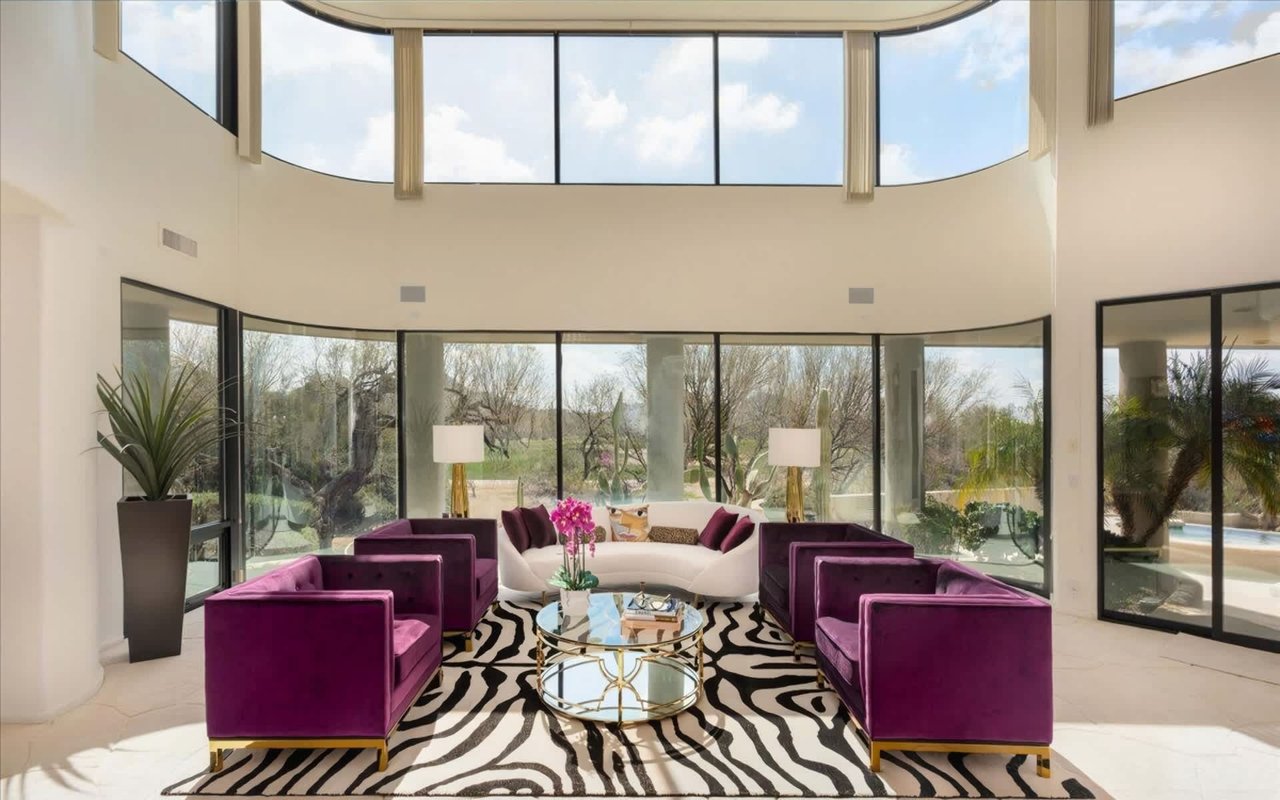
North Scottsdale is where ultra-luxury lives. Notable communities include Silverleaf, DC Ranch, Desert Mountain, and Troon North. The buyer profile here skews toward ultra-high-net-worth individuals, executives, and seasonal Snowbirds — many transactions are all-cash. The lifestyle centers on privacy, gated security, world-class golf, and custom-built desert architecture with seamless indoor-outdoor living. Inventory currently sits around 5 months of supply, and homes take 75+ days to sell on average.
Old Town / South Scottsdale
Price range: $650,000–$950,000 for single-family; condos start around $350,000–$450,000.
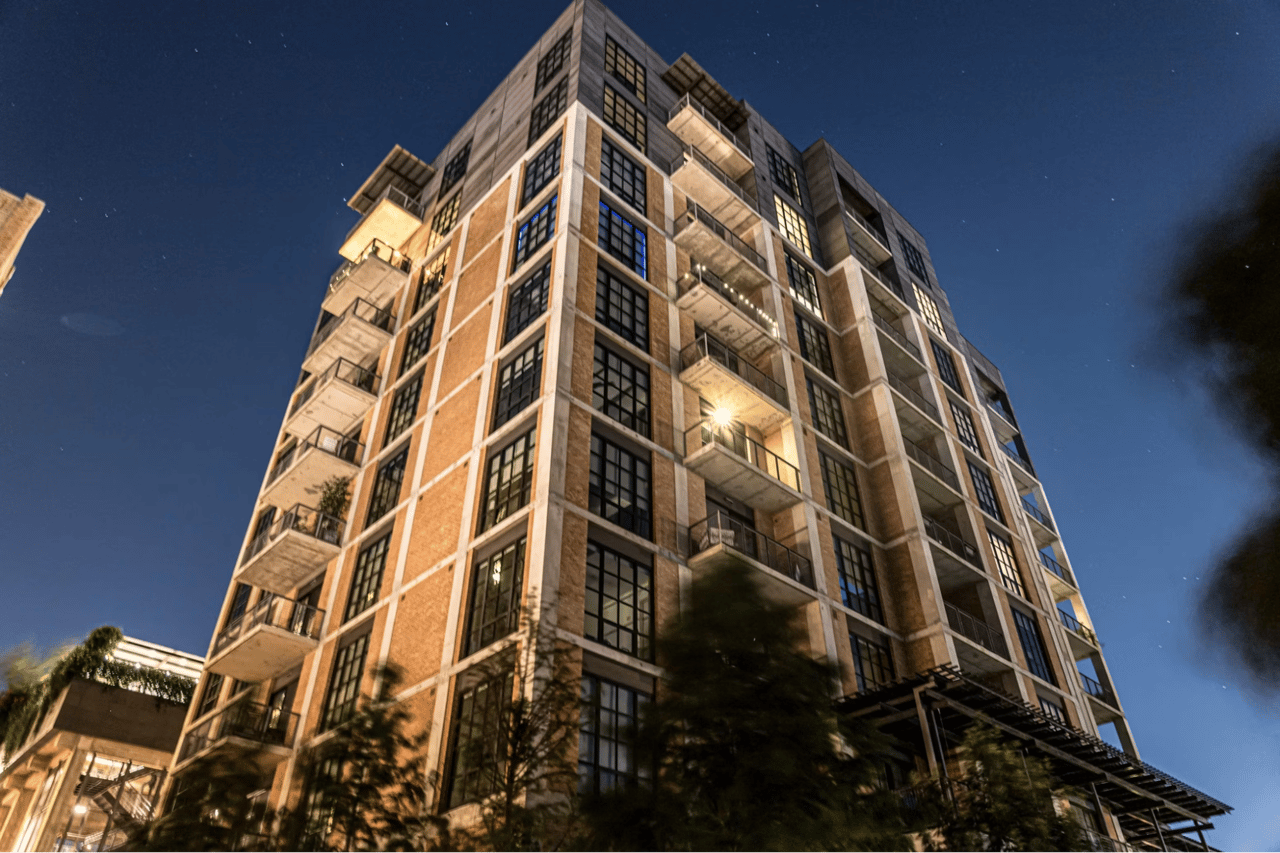
Old Town is the most walkable and energetic part of the city. It attracts young professionals, real estate investors, and urbanites drawn to mid-century modern ranch homes, high-end condos, and proximity to Scottsdale Fashion Square, the arts district, and a dense dining and nightlife scene. It's also the most active market in the city, with only about 3.2 months of supply and homes selling in 50–60 days on average. For investors, it's also the most STR-friendly zone — with the important caveat that regulations are tightening (more on that below).
Central Scottsdale
Price range: $850,000–$1.5M.
Central Scottsdale — anchored by communities like Kierland, Stonegate, and Hidden Village — offers a genuine "best of both worlds" profile. You get larger suburban lots than South Scottsdale, with far more accessibility to shopping and dining (Kierland Commons, Scottsdale Quarter) than the far North. The buyer profile here is primarily established professionals and growing families who want proximity to the Scottsdale Airpark business hub. Inventory sits at roughly 4 months of supply, with homes moving in about 65 days.
McCormick Ranch & Gainey Ranch
Price range: McCormick Ranch runs $750,000–$2.5M; Gainey Ranch runs $1M–$5M.
These two communities are often grouped together but are distinct. McCormick Ranch has a wide variety of property types — from townhomes to lakeside estates — with relatively low master HOA fees of around $200–$300 per year (though individual sub-neighborhood fees vary). Gainey Ranch is more exclusive and gated, with HOA fees ranging from $400–$800+ per month, covering 24/7 guard gates, the Estate Club (gym, tennis, pool), and manicured common areas. Both communities attract families drawn to the strong school district and "right-sizers" moving from large North Scottsdale estates into high-end, low-maintenance patio homes.
How Much Does It Cost to Buy a Home in Scottsdale?
Beyond the purchase price, buying in Scottsdale comes with a distinct set of ongoing costs that buyers frequently underestimate.
HOA Fees
Approximately 75%–80% of homes in Scottsdale belong to an HOA — nearly all developments built after 1980 in North and Central Scottsdale are part of a mandatory association. Fee ranges by community tier:
- Standard suburban communities: $130–$290/month (basic landscaping and management)
- Master-planned/gated communities (DC Ranch, Grayhawk): $300–$550/month (24/7 security, community pools, centers)
- Luxury resort communities (Gainey Ranch, Silverleaf): $600–$1,200+/month (fitness clubs, tennis, enhanced privacy patrols)
- Old Town condos/high-rises: $400–$900/month (includes exterior maintenance, insurance, often utilities)
If avoiding HOAs is a priority, focus your search on South Scottsdale's older 1950s–1970s ranch home neighborhoods or custom unincorporated lots in the Dynamite Foothills of North Scottsdale.
Property Taxes
Maricopa County's primary property tax rate for FY 2026 is $1.1591 per $100 of assessed value. Your effective rate — once secondary taxes for schools, libraries, and other districts are factored in — typically lands between 0.5% and 0.6% of the home's market value. On a $1M home, that's roughly $5,000–$6,000 per year.
Homeowners Insurance
The average annual homeowners insurance premium in Scottsdale for 2026 is approximately $2,800. For higher-value homes with $1M in dwelling coverage, expect to pay around $7,100 per year. Desert-specific risks — bark scorpions, monsoon wind damage, flat roof water intrusion — can influence your premium, so shop accordingly.
Closing Costs
Arizona closing costs are relatively straightforward:
- Buyers: Expect 2%–3% of the purchase price, covering loan origination fees, title insurance, and prepaid items like insurance and property tax escrow
- Sellers: Typically pay 3% in closing fees (title, escrow, recording) plus agent commissions
Financing Your Scottsdale Home
Current Mortgage Rates (May 2026)
Rates have stabilized from the volatility of late 2024–2025 but remain elevated compared to historical averages:
- 30-year fixed: 6.25%–6.38% for well-qualified buyers
- 15-year fixed: 5.63%–5.88%
- Jumbo loans: Around 6.13% — often slightly more competitive than conventional rates as banks actively compete for high-net-worth clients in this market
Understanding Jumbo Loans
This is critical for Scottsdale buyers. The 2026 conforming loan limit in Maricopa County is $832,750. Any loan exceeding that amount is classified as a Jumbo loan. If you're buying at the Scottsdale median of ~$965,000, you'll likely be in Jumbo territory unless you put down approximately 14% or more to bring the loan below the conforming limit.
Jumbo loans come with stricter requirements: most lenders require 20% down, though some "Low-Down Jumbo" products (10%–15% down) have reappeared in 2026, typically with higher rates or PMI attached.
Arizona First-Time Buyer Programs
Even in a high-cost market like Scottsdale, these state programs are worth exploring:
- HOME Plus Program: A statewide 30-year fixed mortgage with up to 5% of the loan amount as forgivable down payment assistance. Income limit: $155,386 annually (as of April 2026).
- Home in Five Advantage: Maricopa County-specific. Offers up to 5% in down payment and closing cost assistance — 6% for first responders, teachers, and veterans.
- Pathway to Purchase: Targeted at specific zip codes with higher foreclosure histories; more relevant in West Valley pockets than most of Scottsdale, but worth checking for South Scottsdale ZIP codes.
The Seller Concession Strategy
With rates sitting around 6.3%, many Scottsdale buyers in 2026 are targeting seller concessions rather than waiting for rates to drop. The most common structure is a "2-1 Buy-down," where the seller pays to lower your rate by 2% in year one and 1% in year two — providing temporary cost relief while you wait for a future refinance opportunity. In the current balanced market, this is a very negotiable ask.
The Home Buying Process in Scottsdale, Step by Step
Arizona's real estate process has several state-specific elements that can catch out-of-state buyers off guard.
Contract Timelines
The standard Arizona Association of Realtors (AAR) contract operates on tight, legally binding deadlines. Missing one — even by hours — can technically constitute breach of contract, though a formal Cure Period Notice is typically required before cancellation.
- Inspection Period: Defaults to 10 days. This window is all-encompassing — you must complete all physical inspections (general, roof, pool, mold, termite) and review the HOA documents and title report within this timeframe.
- BINSR (Buyer's Inspection Notice and Seller's Response): This is Arizona's formal repair request mechanism. You submit your requests by day 10; the seller has 5 days to agree, refuse, or offer a credit; and you then have 5 days to decide whether to cancel or proceed if the seller declines.
- Close of Escrow: Typically 30–45 days for financed purchases. Cash deals often close in 10–14 days.
Common Contingencies
Beyond the standard inspection, Scottsdale buyers frequently use:
- Appraisal Contingency: Allows cancellation or renegotiation if the home appraises below the purchase price. In competitive situations, some buyers offer an "Appraisal Gap" (e.g., "I'll cover up to $20K above appraised value") to strengthen their offer.
- Feasibility/Land Use: Common in North Scottsdale for buyers planning to build or expand, ensuring the desert soil and zoning permit the intended structure.
- CLUE Report: The Comprehensive Loss Underwriting Exchange reveals the last 5 years of insurance claims on the property — essential for identifying undisclosed water damage history.
Arizona Disclosure Requirements
Arizona is a disclosure state. Sellers must provide the Seller's Property Disclosure Statement (SPDS) within 3 days of contract acceptance — a 7-page document requiring disclosure of every known material defect. Sellers must also provide a 5-year insurance claims history, and any home built before 1978 requires a lead-based paint disclosure.
Notably, Arizona law does not require sellers to disclose deaths on the property or the proximity of registered sex offenders — buyers should research the latter independently.
The Role of Escrow
Unlike attorney states such as New York or Illinois, Arizona uses neutral Title and Escrow Companies to handle closings. The escrow officer represents neither buyer nor seller — they are a neutral third party who follows the written instructions of the contract. They conduct the title search, collect and distribute funds, pay off the seller's existing mortgage, and record the new deed with the Maricopa County Recorder's Office. In Arizona, you officially become the legal owner of the home the moment the recording number is issued — typically on the afternoon of your closing date. For out-of-state buyers, Remote Online Notarization (RON) is legal and widely used in Arizona, making remote closings straightforward.
Working with a Scottsdale Real Estate Agent
What to Look for in This Market
In a market like Scottsdale — especially at the luxury end — you're not hiring someone to open doors. You're hiring a risk manager, a negotiator, and a networker. Many of the best properties in North Scottsdale trade off-market through private placements, never hitting the MLS. Your agent's relationships with other top-tier listing agents can mean the difference between finding the right home and missing it entirely.
Beyond networking, look for construction literacy. High-end desert homes often involve complex systems — negative-edge pools, smart home automation, septic and well systems in parts of North Scottsdale, and unique desert drainage. An experienced agent should be able to flag topography or build quality issues during the first walkthrough.
And in a balanced market where Zillow estimates are near-useless for custom homes, you want an agent who can provide Cromford Index data and localized absorption rate reports to prove a home is accurately priced.
Post-NAR Settlement: How Compensation Works Now
The 2024 NAR settlement fundamentally changed how buyer's agents are compensated. Here's how it works in Arizona as of 2026:
- Written Buyer Broker Agreements are mandatory before an agent can show you a single home. This document explicitly states what you will pay (e.g., 2.5% or a flat fee).
- Listing agents can no longer advertise buyer agent commissions on the MLS. However, sellers can still offer "Seller Concessions" to cover your agent's fee — and in the current balanced market, this is a common and negotiable ask.
- Commission is now a line item in your offer. For example: you offer $1.5M with a contingency that the seller covers 2.5% to your broker. If the seller refuses, you may be responsible for paying your agent out of pocket at closing.
Questions to Ask Before Hiring an Agent
Before signing a Buyer Broker Agreement, ask these directly:
- "Can you show me recent off-market or 'coming soon' success stories?" — This reveals whether they have the network to find inventory before it goes public.
- "How do you handle appraisal gaps in your negotiations?" — Custom Scottsdale homes frequently challenge appraisers. You need someone who knows how to bridge the gap between contract price and bank value.
- "If a seller offers zero commission to buyer's representation, how do we handle your fee?" — Know this upfront before you're in the middle of a transaction.
- "What's your strategy for winning a multiple-offer scenario without simply overpaying?" — Look for mentions of escalation clauses, post-possession offers, or creative contingency structuring.
Also clarify whether you'll be working directly with the lead agent throughout the transaction or handed off to a junior assistant after the contract is signed. In Scottsdale, things move fast — that distinction matters.
Things to Know Before You Buy in Scottsdale
Desert Climate: What to Inspect Beyond the Standard Checklist
A general home inspection isn't sufficient in Scottsdale. Request these specific sub-inspections:
- Roof underlayment: In the desert, it's not the visible tiles that fail — it's the felt underlayment beneath them. Heat causes it to become brittle over time. Any roof 15+ years old is approaching a potential replacement cost of $15,000–$30,000.
- HVAC systems: Units in Scottsdale work at double capacity. Look for a SEER 2 efficiency rating. If the unit is over 10 years old, it's approaching the end of its functional desert lifespan.
- Pest and wildlife: Scottsdale has a high prevalence of bark scorpions. Request a blacklight inspection, and look for evidence of professional "home sealing" — weather stripping and mesh over vents — which is a significant value indicator.
- Stucco and exterior paint: Heat causes repeated expansion and contraction cycles. "Spiderweb" cracks in stucco need to be sealed before monsoon season; unsealed, they allow water to seep in and cause internal structural rot.
Monsoon and Flood Awareness
Despite being in the desert, Scottsdale experiences flash flooding during monsoon season (June–September). Many North Scottsdale properties are built near natural desert washes — verify that any property has clear drainage paths away from the foundation. Only about 1.4% of Scottsdale properties are in high-risk FEMA flood zones, but many sit in areas of minimal flood hazard where flood insurance, while optional, is worth considering given the intensity of desert storms. High-wind events (haboobs) can also damage flat roof sections common in modern desert architecture.
Short-Term Rental Regulations (2026)
For buyers considering an investment or vacation property, Scottsdale has evolved into one of the most tightly regulated STR markets in Arizona. Operating an STR legally now requires three licenses: an Arizona TPT License, a Scottsdale Business License ($250/year), and a Maricopa County Registration.
You are also legally required to notify all neighbors within a specified radius of your intent to rent and provide a 24/7 emergency contact who can respond to complaints within 60 minutes. Fines for noise or nuisance violations start at $1,000, and three violations can result in a permanent ban of your rental permit. Occupancy is capped at 6 adults per dwelling unit.
Old Town and South Scottsdale remain the most viable zones for STR investment given their walkability and proximity to attractions, but do your due diligence on specific HOA rules before purchasing — many communities prohibit short-term rentals entirely, regardless of city-level regulations.
Start Your Scottsdale Home Search with the Craig Bennett Group
Buying a home in Scottsdale is not a transaction you want to navigate alone — especially in a market this nuanced, this fast-moving in some segments, and this consequential financially.
Craig Bennett is an Arizona-native Associate Broker at Russ Lyon Sotheby's International Realty, with deep roots in Phoenix-area real estate spanning generations. He and his team specialize in Scottsdale, Phoenix, and Paradise Valley, working with everyone from first-time buyers to seasoned investors to clients relocating from out of state.
Whether you're evaluating neighborhoods, trying to understand the financing landscape, or ready to make an offer, the Craig Bennett Group provides the kind of hyper-local expertise and personalized guidance this market demands.
Craig Bennett Group 6900 E Camelback Road, Suite 110, Scottsdale, AZ 85251 📞 602.908.5279 ✉️ [email protected]