

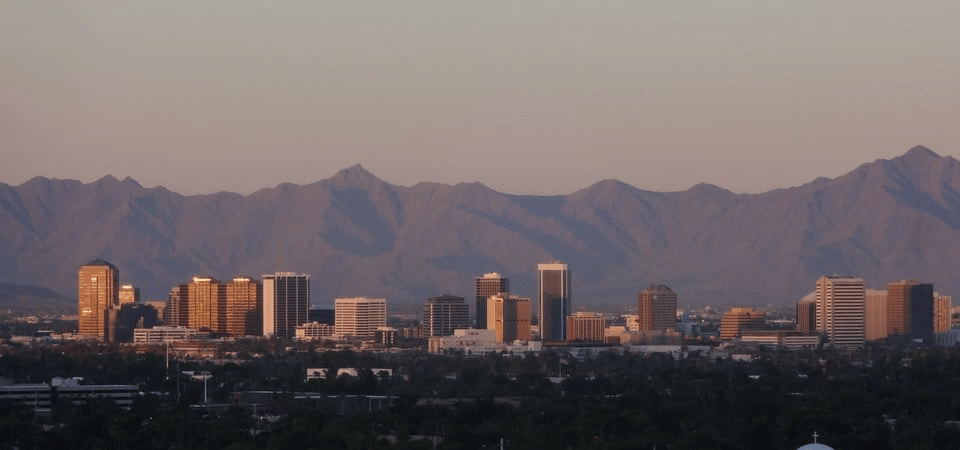

The Phoenix housing market is moderately competitive, with homes typically receiving two offers and selling in about 53 days. Last month, the median home price was $450K, reflecting a 2.6% decline compared to the previous year. The median price per square foot also decreased by 2.1%, settling at $280.
Median Sale Price
Median Sale Price per Sq. Ft.
Total Homes Sold
Median Days on Market
In May 2025, the Phoenix housing market experienced a modest decline in home values, with the median sale price dropping 2.6% year-over-year to $450K. Homes are taking longer to sell, averaging 53 days on the market compared to 46 days last year, suggesting a slight cooling in buyer urgency and a shift toward more deliberate purchasing decisions. The number of closed sales also fell, with 1,542 homes sold in May compared to 1,660 during the same period last year. This decline in both price and transaction volume may reflect rising inventory levels, affordability concerns, or increased sensitivity to interest rates. While the market remains active, these trends point toward a more balanced environment where buyers have more leverage and sellers may need to adjust pricing and expectations accordingly.
Phoenix is currently a somewhat competitive market, with homes typically selling in 53 days and occasionally receiving multiple offers. On average, properties sell for about 2% below list price, indicating that buyers still have room to negotiate. However, well-priced or highly desirable homes—such as those in prime locations or in excellent condition—can sell much faster, going pending in around 26 days and often closing near the asking price. While the overall market pace has slowed, demand for quality listings remains steady, creating selective pockets of competition.
As of June 2025, Phoenix, AZ is considered a balanced market, where housing supply and buyer demand are roughly in equilibrium. This creates a more stable environment for both sides of the transaction—buyers aren’t facing intense bidding wars, and sellers aren’t under pressure to drastically reduce prices. Homes are spending more time on the market, with many selling slightly below asking, suggesting that pricing strategy and home condition play a bigger role in attracting serious offers. At the same time, well-positioned properties can still move quickly and at competitive prices. This balance signals a shift from the highly competitive dynamics of previous years, offering a healthier and more sustainable pace that allows for thoughtful decision-making on both ends.
For personalized insights, neighborhood comparisons, or access to available listings, contact Craig to explore opportunities tailored to your goals and budget.
Phoenix's extreme desert climate—with summer temperatures regularly exceeding 110°F—makes energy-efficient design essential. Buyers should prioritize homes with upgraded insulation, dual-pane windows, smart thermostats, and energy-efficient HVAC systems to reduce cooling costs. Solar panel installations are increasingly common and can significantly offset electricity expenses. Shade structures, north/south home orientation, and landscaping with drought-tolerant plants (xeriscaping) also enhance livability and lower long-term maintenance costs.
Many Phoenix properties are located in master-planned communities with homeowners associations (HOAs). These HOAs may have strict guidelines regarding exterior paint colors, landscaping, parking, short-term rentals, and more. Buyers should thoroughly review HOA covenants, fees, and enforcement practices, as they vary widely across neighborhoods. Understanding whether the HOA enhances or restricts your lifestyle goals is key before committing to a purchase in these communities.
Air quality can be a concern in parts of Phoenix, especially in areas near high-traffic highways or industrial corridors. Some neighborhoods experience elevated dust levels due to urban sprawl and ongoing construction. Buyers with respiratory concerns, young children, or long-term health considerations should evaluate environmental factors, including proximity to major freeways like I-10 or Loop 202, and consider areas with more green space and cleaner air, such as Ahwatukee or North Phoenix.
Despite Phoenix’s arid climate, heavy monsoon rains can trigger flash flooding in low-lying neighborhoods and poorly graded lots. Buyers should review flood zone maps and verify that the property has proper drainage infrastructure. Additionally, certain areas have expansive clay soils that can shift and affect foundations over time. A geotechnical inspection or a detailed review of soil reports is recommended, especially for custom or older homes in areas like Laveen or South Mountain.
The Phoenix market exhibits distinct seasonal patterns. Demand tends to spike in the cooler months—particularly from November through March—when out-of-state buyers (especially from California, the Midwest, and Canada) enter the market. Conversely, inventory often increases in summer, when fewer buyers are active due to the extreme heat. Buyers may find more negotiating power during off-peak periods, while sellers may achieve stronger results during high-season windows.
Phoenix continues to expand rapidly, with major residential and commercial developments in areas like the West Valley (e.g., Buckeye, Goodyear) and Southeast Valley (e.g., Queen Creek, San Tan Valley). Buyers interested in long-term appreciation should evaluate future infrastructure projects, new employment hubs, and transportation expansions. Areas near the Loop 303 or Phoenix-Mesa Gateway Airport are seeing increased investment, which may translate into rising home values over time.

Thinking about buying a property in Phoenix, AZ, or have any questions about the area? Contact us today! We're here to help you navigate the Phoenix real estate market with expert advice and personalized service. Whether you’re looking for a family home, a chic urban condo, or a peaceful desert retreat, we can guide you to the perfect property that meets all your needs. Let’s make your dream home a reality!
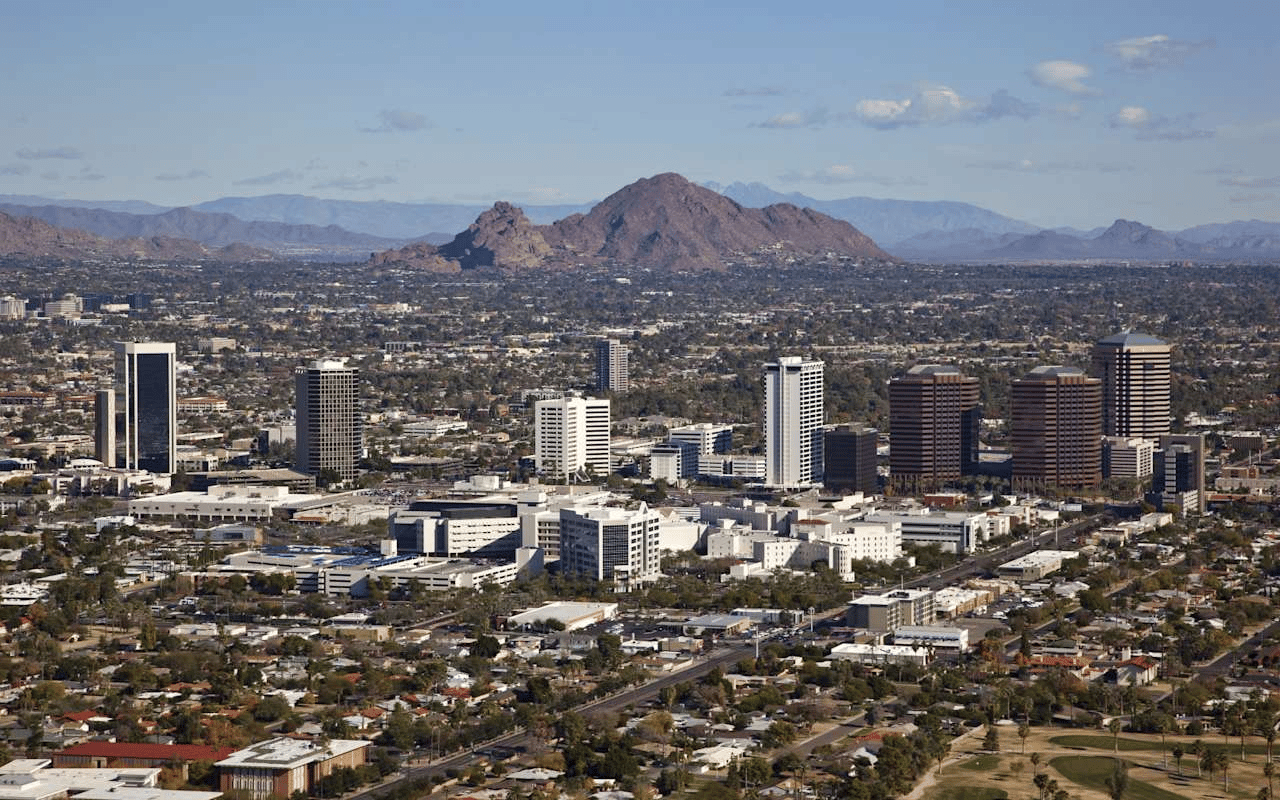
Ready to uncover all that Phoenix has to offer? Dive into our comprehensive Phoenix neighborhood guide to explore the distinct vibes, amenities, and housing options each area presents. Whether you're considering moving to Phoenix or just curious about its diverse communities, our guide provides the insights you need to discover the neighborhood that best suits your lifestyle and preferences. Start exploring today to find your ideal spot in this vibrant city