Wondering whether a home in a Phoenix historic district is a dream find or a renovation headache? The truth is, it can be both, and that is exactly why doing your homework early matters. If you love character, central-city location, and mature neighborhood fabric, this guide will help you understand what to check before you make an offer. Let’s dive in.
Phoenix historic districts are more varied than many buyers expect
Phoenix has 36 residential historic districts on the city’s Historic Property Register. For buyers, many of the best-known options are in central Phoenix, including areas tied to Encanto, Willo, Roosevelt, Coronado, Garfield, East Evergreen, F.Q. Story, Alvarado, and Windsor Square.
One of the biggest misconceptions is that “historic” means one style, one era, or one type of home. In Phoenix, the periods of significance stretch from the late 1800s through the postwar era, so a historic district here might feel early Phoenix, bungalow-heavy, revival-focused, or more mid-century in character.
That variety matters when you are narrowing your search. A district closer to downtown may offer a different lot pattern, housing age, and streetscape than one with a later period of development, so it helps to match your expectations to the district’s actual history.
Central Phoenix districts to know
Several of Phoenix’s most recognized historic districts sit in the heart of the city. Encanto-Palmcroft, Willo, F.Q. Story, Roosevelt, Coronado, and Garfield are all examples of districts that buyers often explore when looking for charm and location.
Each district has its own boundaries and development period. For example, Encanto-Palmcroft reflects a 1920 to 1952 period of significance, while Willo spans 1910 to 1950. That difference can shape what you see on the street, from house styles to garage placement to the overall feel of the block.
The practical takeaway is simple: do not shop Phoenix historic districts as if they are interchangeable. Even homes with similar square footage can offer very different renovation possibilities and long-term fit depending on the district.
Home styles you may see
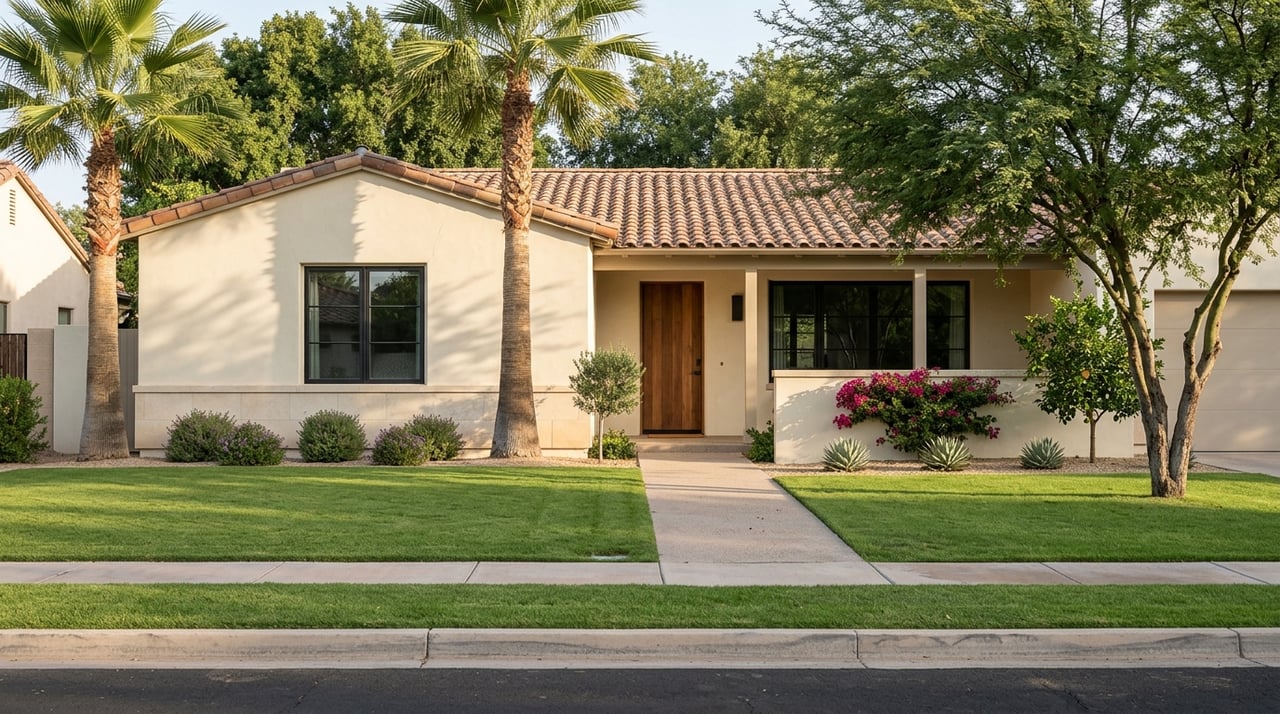
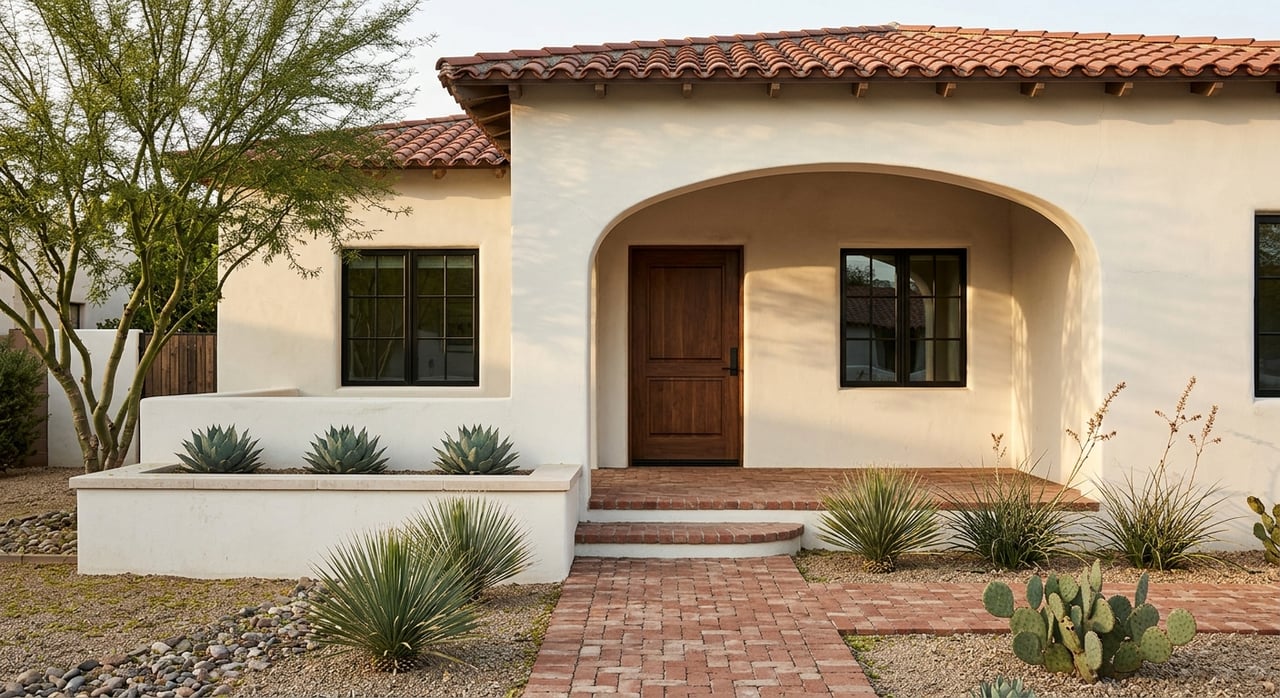
Phoenix historic districts often mix multiple architectural styles rather than following one signature look. Depending on the neighborhood, you may see Craftsman and Bungalow homes, Period Revival styles, Spanish Colonial Revival, Mission Revival, Tudor or English Cottage, Colonial Revival, Prairie, Moderne, Ranch, or Transitional and Early Ranch homes.
That mix can be part of the appeal. In Encanto-Palmcroft, city planning materials describe Spanish Colonial, Tudor Revival, Cape Cod, Ranch, Mediterranean, and Monterey Revival homes. In Coronado, common home types include Bungalow, Spanish Colonial Revival, English Cottage, and Early Western Ranch.
Willo includes Craftsman Bungalows, several revival styles, 1950s ranch homes, and Moderne influences. Roosevelt documents a progression from Victorian and Neoclassical forms into Bungalow, Period Revival, Prairie, and Moderne.
Lot features matter as much as architecture
When buying in a Phoenix historic district, the lot can be just as important as the house itself. District surveys point to features like large front setbacks, mature trees, flood-irrigated lots, detached garages, alley access, sidewalks, and one-car driveways as part of the historic character.
East Evergreen is one example where lot shape and streetscape play a major role. City survey materials describe large setbacks, palm-lined streets, and historic lot patterns that help define the neighborhood feel.
For you as a buyer, this affects more than curb appeal. Garage location, alley access, setback depth, and lot shape can all influence whether a future addition, porch change, new garage, or exterior improvement is realistic.
Historic review rules to understand first
Before you buy, confirm whether the home is located in an HP or HP-L historic preservation overlay district. In Phoenix, the Historic Preservation Office reviews exterior changes to properties on the Phoenix Historic Property Register, including homes within historic districts and, in some cases, infill or changes to non-historic properties inside those districts.
For many projects, the city issues either a Certificate of No Effect or a Certificate of Appropriateness. The type of review depends on the scope and visibility of the work.
Phoenix states that no building, permanent sign, or other structure in an HP or HP-L district may be erected, demolished, moved, restored, rehabilitated, reconstructed, altered, or changed in exterior appearance without Historic Preservation Office review. Routine maintenance such as painting is excluded, and interior work that does not affect the exterior generally does not require review.
That last point surprises many buyers in a good way. If you are mainly planning interior updates, your path may be simpler than if you want to change windows, build an addition, alter a porch, or significantly modify the exterior.
What the city may review
Exterior projects are where buyers need to slow down and ask more questions. Visible window changes, additions, fences, garages, porch enclosures, masonry work, and demolition can trigger a more formal review path.
Phoenix also uses a pre-application process for more involved projects. Minor work may qualify for a Certificate of No Effect, while more visible or complex changes may require a Certificate of Appropriateness.
If demolition is part of the plan, that follows a separate review process. This is one reason it is smart to think through your renovation goals before you close, not after.
Conservation easements can add another layer
Some historic properties in Phoenix may have a recorded conservation easement tied to a prior city preservation grant. If that applies, the property can be subject to added preservation requirements beyond the standard district review process.
This is easy to miss if you are only looking at the home’s layout and finishes. It is worth asking early whether there is a recorded easement, prior grant file, or another preservation condition attached to the property.
For a buyer, this is not automatically a deal-breaker. It simply means you want clarity before you commit, especially if you expect to make exterior changes over time.
Budgeting for older-home updates
Historic homes often come with repair needs that newer homes may not. Roof work, electrical updates, plumbing improvements, and cosmetic repairs can all affect your budget, especially if you want the home to feel move-in ready soon after closing.
If substantial repairs are part of the plan, ask your lender about renovation financing options. The research report notes that FHA 203(k) and Fannie Mae HomeStyle Renovation loans can help combine purchase and rehab costs into one mortgage structure.
Even if financing is available, build in breathing room. Older homes can reveal hidden costs during inspections, permit review, or contractor scoping, so a conservative budget is usually the safer approach.
Phoenix permits still matter
Historic review is only part of the process. Phoenix also requires permits for many common projects, including remodels and additions, garage or carport conversions, porch enclosures, demolitions, patio covers, fences and walls, electrical work, plumbing moves, and wall removals.
Permitted residential jobs also require inspections. That means your renovation timeline may involve both preservation review and the city’s permit and inspection process.
If you are comparing two homes, this can become a major decision point. A home that needs less regulated exterior work may offer a smoother path than one that requires multiple approvals.
Plan carefully for windows and energy updates
Older windows are often a concern for buyers in Phoenix, especially during hot-weather months. The city recommends starting with an energy audit and notes that historic windows can often be repaired, weatherized, or improved with less invasive measures such as insulated treatments, window film, or thicker glass retrofits.
Phoenix also states that it offers matching grants to improve historic-window energy efficiency. That can be helpful, but it is best to view any grant opportunity as a bonus rather than your only renovation funding plan.
The broader lesson is that replacement is not always your only option. In many cases, repair and performance upgrades may better align with both preservation requirements and your budget.
Pre-1978 homes need extra caution
If the home was built before 1978, lead-based paint should be part of your planning. According to the research report, older homes are more likely to contain lead-based paint, and renovation or painting work that disturbs it can create hazardous dust.
That is why buyers should ask these questions before closing, especially if they expect to remodel soon. Understanding whether lead-safe practices may be needed can affect contractor choice, timeline, and total project cost.
This is another reason historic-home due diligence should go beyond the standard wish list. Charm matters, but so does knowing what your first year of ownership may really involve.
A smart due diligence checklist
Before you make an offer on a home in a Phoenix historic district, try to answer these questions:
- Is the property in an HP or HP-L overlay district?
- Is the home classified as contributing or noncontributing?
- What exterior work is likely in the next 5 to 10 years?
- Which updates may count as routine maintenance, and which may count as alterations?
- Is there a recorded conservation easement, prior grant file, or other preservation condition?
- Do inspection findings suggest specialist follow-up for systems or hidden conditions?
- Will your plans require lead-safe practices, permits, or a renovation-loan structure?
These answers can help you compare properties more clearly. They also help you avoid buying a home that fits your style but not your renovation tolerance or budget.
Why many buyers still love Phoenix historic districts
For the right buyer, historic districts offer a combination that is hard to recreate elsewhere. You get central-city location, architectural character, mature streetscapes, and established neighborhood fabric that often feels distinct from newer housing stock.
The tradeoff is that you usually need more front-end research, more documentation, and more careful renovation planning. When you go in with clear expectations, that tradeoff can feel worthwhile rather than stressful.
If you are considering a historic home in Phoenix, it helps to work with an advisor who can look beyond surface charm and help you think through location, condition, design potential, and long-term value. If you are ready to explore Phoenix neighborhoods with that level of care, connect with Craig Bennett Group.
FAQs
What makes a home part of a Phoenix historic district?
- A home is typically part of a Phoenix historic district if it is located within a designated area on the city’s Historic Property Register, often with an HP or HP-L overlay zoning designation.
What should Phoenix buyers know about historic district renovation rules?
- Phoenix buyers should know that many exterior changes in HP or HP-L districts require Historic Preservation Office review, while routine maintenance like painting is generally excluded.
What architectural styles are common in Phoenix historic districts?
- Common styles include Craftsman, Bungalow, Spanish Colonial Revival, Tudor or English Cottage, Period Revival, Prairie, Moderne, Ranch, and related early to mid-century home types.
What lot features matter when buying a historic home in Phoenix?
- Important lot features can include setback depth, alley access, detached garage placement, driveway layout, lot shape, mature trees, and whether the lot has features like flood irrigation.
What permits may be needed for a Phoenix historic home remodel?
- Depending on the project, Phoenix may require permits for additions, conversions, porch enclosures, demolitions, patio covers, fences, electrical work, plumbing moves, and wall removals.
What should buyers ask before making an offer on a Phoenix historic home?
- Buyers should verify district status, ask about contributing or noncontributing classification, review possible exterior approval needs, check for easements or grant conditions, and understand likely repair, permit, and renovation costs.