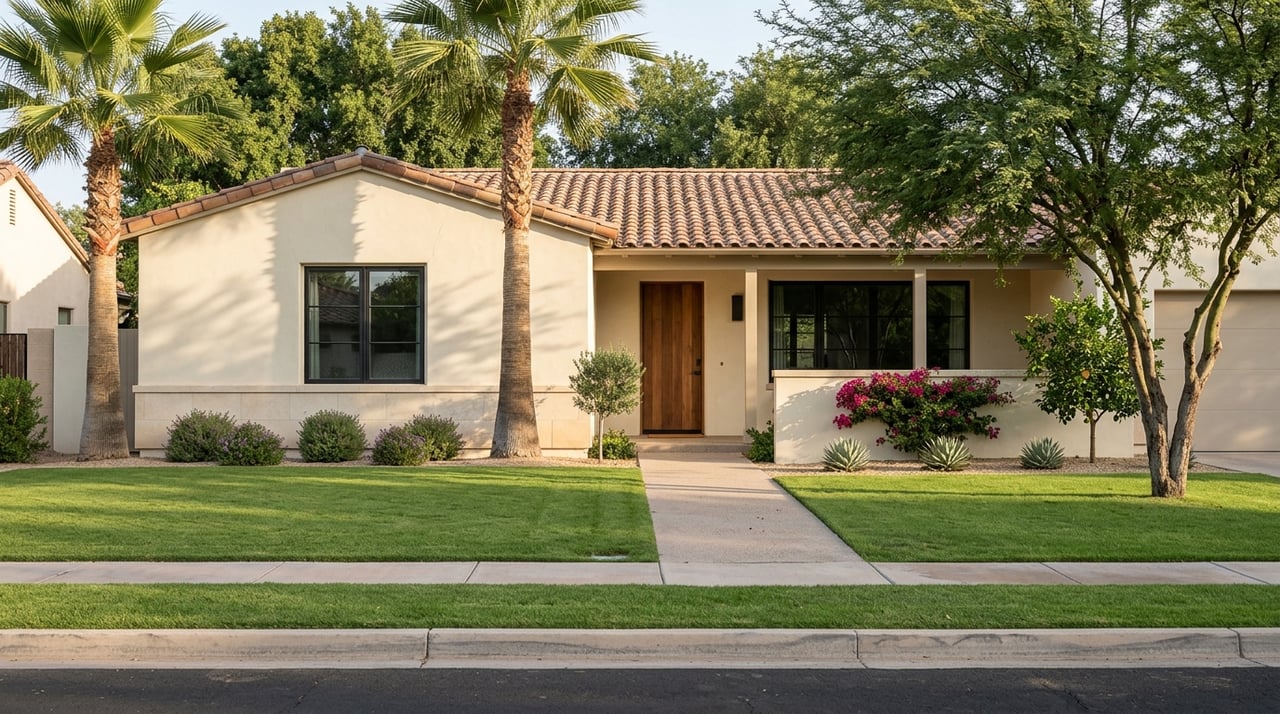
If you want a West Valley address that feels more like a village than a sprawling suburb, Litchfield Park stands out right away. You may be looking for a quieter daily rhythm, a more established residential setting, or a neighborhood with real local character instead of endless commercial strips. This guide will help you understand what life is actually like here, from parks and events to housing style and overall feel. Let’s dive in.
Why Litchfield Park Feels Different
Litchfield Park is a compact planned residential city in Maricopa County, about 16 miles west of downtown Phoenix and roughly 2 miles north of I-10. It covers about 3.28 square miles and had 6,847 residents in the 2020 Census. That small footprint matters because it shapes nearly every part of daily life.
Compared with larger nearby cities, Litchfield Park feels more concentrated and connected. Goodyear and Avondale cover much larger areas, while Litchfield Park reads more like a civic core with surrounding neighborhoods. If you prefer a place that feels easier to get to know, this scale is a major part of the appeal.
The city’s community materials describe it as casual, residential, and small-town in character. Census figures also point to a stable ownership base, with an 84.8% owner-occupancy rate and 92.2% of residents living in the same house one year earlier. In practical terms, that often translates into a more settled feel rather than a high-turnover environment.
Everyday Lifestyle in Litchfield Park
For many buyers, the biggest draw is not just where Litchfield Park sits on the map. It is how the city is set up to be lived in every day. The street patterns, park access, and event calendar all support a more neighborhood-centered lifestyle.
The city’s planning documents note that Litchfield Park intentionally avoided a rigid grid. Instead, you see curving streets, short cul-de-sacs, pathways, and underpass connections that help residents reach local destinations without relying as heavily on major arterial roads. Walking, biking, and short golf-cart trips are part of the community’s established rhythm.
That design gives parts of the city a more relaxed and cohesive feel than many newer subdivisions. If your ideal neighborhood experience includes slower internal streets and easier access to local recreation, Litchfield Park offers a clear contrast to broader suburban development patterns in the West Valley.
Parks and Recreation Shape Daily Life
One of the strongest lifestyle advantages here is the city’s park system. Litchfield Park maintains 11 public parks, and that is a meaningful amenity base for a city of this size. Parks are open daily from 6 a.m. to 10 p.m., giving you a wide window for morning walks, after-work outings, and weekend recreation.
Tierra Verde Lake Park is one of the best examples of how outdoor living fits into the city. It includes a 4.5-acre lake, a walking, jogging, and biking loop, plus a fishing dock. For many residents, spaces like this make it easier to build outdoor routines into everyday life without leaving town.
Other parks add variety rather than repetition. Rose Park includes a rose garden and amphitheater, while Staggs, Turtle, and Scout parks offer playgrounds and sports fields. The Recreation Center adds a pool, aquatics programming, and reservable space for organized sports and gatherings.
Community Events Add Small-Town Energy
Litchfield Park’s event calendar is unusually active for such a small city. Official city materials describe a family-oriented and pedestrian-friendly lifestyle built around free special events throughout the year. That creates regular opportunities to connect with the community in a way that can be harder to find in larger cities.
Recurring events listed by the city include the Fourth of July celebration, Native American Arts Festival, Arts in the Park concert series, trout fishing derby, Spring Art & Culinary Festival, Oktoberfest, Festival of the Arts, Taste of the Park, and Christmas in the Park. These are not one-off additions to the calendar. They are part of the city’s identity.
The city also announced a Saturday farmers market at Litchfield Square Park running through October from 9 a.m. to 1 p.m. For buyers considering a move, that matters because it shows how public spaces are being used to support local activity and everyday gathering points.
Golf, Dining, and the Local Core
The Wigwam is one of the defining anchors of Litchfield Park. Its golf facilities are a major local asset, with 54 holes across three 18-hole championship courses: the Gold, Blue, and Red courses. The resort also spans 440 acres and includes pools, recreation, and restaurants, making it more than just a golf destination.
Beyond the resort itself, dining in Litchfield Park centers around both the historic village core and nearby local spots. The city’s business directory lists options tied to the Wigwam, including Litchfield’s and Red’s Bar & Grill, along with other local names such as Old Pueblo Cafe, Lazy Palm Sports Grill, Tap Savvy, and TCBC. The overall dining scene is not massive, but it fits the city’s smaller scale.
If you are comparing Litchfield Park with areas built around large commercial corridors, this is an important distinction. The appeal here is less about endless retail density and more about having a recognizable local core with nearby resort and neighborhood amenities.
Litchfield Square Is Worth Watching
Litchfield Square is one of the most important growth stories in town. The city describes it as a 26-acre mixed-use urban hub with a walkable, community-oriented layout, commercial space under construction, and future phases still planned. That signals measured change rather than rapid overbuilding.
For buyers and owners, this matters because it points to additional in-town retail and dining options over time. At the same time, the project is framed in a way that aligns with the city’s compact scale and community-focused design. In other words, growth here appears intended to add convenience without erasing the small-town feel that draws people in.
Homes in Litchfield Park
Litchfield Park offers a broader housing mix than some buyers expect. The city’s general plan notes a full range of housing types, including townhouses, patio homes, garden apartments, and single-family detached homes. That variety can make the area relevant to first-time buyers, move-up households, downsizers, and buyers looking for lower-maintenance options.
You will also find meaningful variation in lot size and home scale. Housing ranges from smaller starter homes to larger residences on estate-sized lots. That mix helps the city appeal to buyers in different life stages while still keeping a cohesive residential identity.
Newer construction is concentrated in The Village at Litchfield Park west of Litchfield Road. In the original townsite, the city notes occasional custom building and extensive remodeling of older homes. If you value architectural character or the chance to find a home with an established setting, that older core may be especially interesting.
A More Cohesive Architectural Look
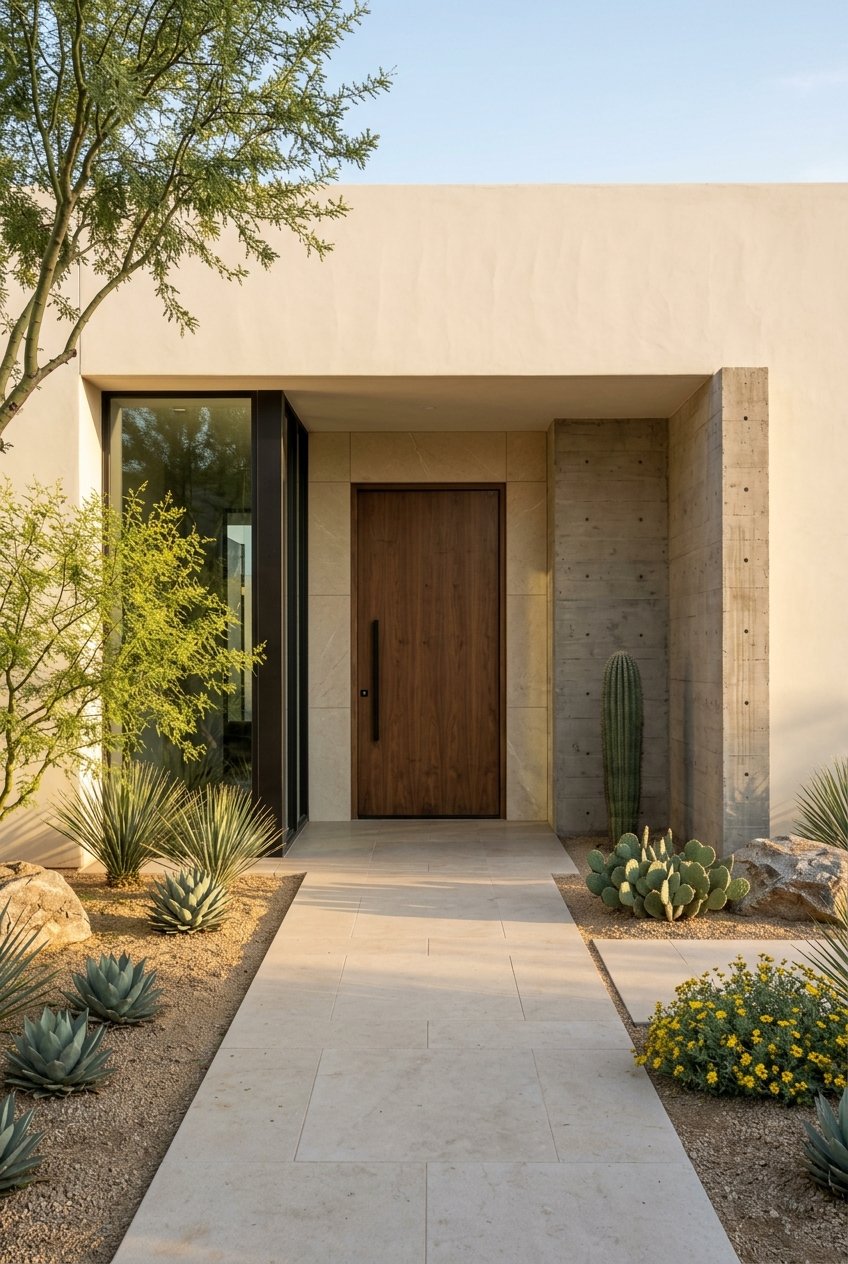
Litchfield Park has a visual identity that sets it apart from many newer suburban areas. The city’s design guidelines emphasize a Southwestern look influenced by Indian Pueblo and modern Santa Barbara styles. Common features include stucco finishes, arches, and low-pitched red clay tile roofing.
That design approach helps explain why many parts of the city feel visually consistent. Even when home sizes and property types vary, there is often a stronger sense of continuity in the built environment. For buyers who care about streetscape appeal and neighborhood character, that can be a meaningful advantage.
Craig Bennett’s design background also makes this the kind of market where thoughtful guidance can be especially valuable. When architecture, lot placement, remodeling quality, and long-term fit all matter, it helps to work with an advisor who can look beyond square footage alone.
Who Litchfield Park May Suit Best
Litchfield Park tends to appeal to buyers who want a more established residential environment. Based on the city’s profile, ownership patterns, age profile, and housing mix, it may be especially attractive if you are looking for a quieter setting with a strong neighborhood feel. It can also be a fit if you value golf access, lower-density surroundings, or a home base that feels distinct from larger West Valley cities.
The area also has a notable military connection because of nearby Luke Air Force Base, and city and visitor materials note that many retired military residents live here. That history contributes to the community’s identity, along with the city’s long-standing residential and resort character.
From a housing perspective, the city can work for a range of buyer goals. Patio homes and townhomes may appeal if you want simpler upkeep, while detached homes and estate lots can offer more space and a different lifestyle profile. The right fit depends less on one buyer type and more on whether you value stability, character, and a compact local setting.
Key Numbers at a Glance
| Category | Litchfield Park Snapshot |
|---|---|
| Population | 6,847 |
| City size | About 3.28 square miles |
| Distance to downtown Phoenix | About 16 miles west |
| Owner-occupancy rate | 84.8% |
| Median household income | $126,250 |
| Median owner-occupied home value | $577,000 |
| Median age | 45 |
| Residents age 65+ | 19.7% |
What to Consider Before You Buy
If you are exploring Litchfield Park, it helps to approach the search with a lifestyle lens. This is not the place people usually choose for sheer size, nonstop development, or big-box convenience on every corner. People are often drawn here because it feels established, navigable, and more personal in scale.
As you compare neighborhoods and properties, consider a few practical questions:
- Do you want a compact city with a recognizable civic core?
- Would you use parks, walking paths, or golf-cart-friendly local routes?
- Are you drawn to more traditional Southwestern architecture?
- Do you prefer an established residential setting over a fast-growth suburban feel?
- Would a mix of resort amenities, local dining, and community events fit your day-to-day lifestyle?
The answers can tell you a lot about whether Litchfield Park is the right match. In real estate, fit matters just as much as features.
If you are considering a move in the West Valley and want help evaluating Litchfield Park against your goals, the Craig Bennett Group offers thoughtful guidance across Metro Phoenix with a neighborhood-first approach.
FAQs
What is daily life like in Litchfield Park, Arizona?
- Litchfield Park is known for a compact, residential feel with 11 public parks, community events, walkable local connections, and a small-town atmosphere shaped by its village-like layout.
What types of homes are available in Litchfield Park?
- The city includes townhouses, patio homes, garden apartments, and single-family homes, with options ranging from smaller residences to larger homes on estate-sized lots.
What makes Litchfield Park different from other West Valley cities?
- Its smaller scale is a big difference. Litchfield Park has 6,847 residents across about 3.28 square miles, which gives it a more concentrated and established feel than much larger nearby cities.
What parks and recreation options are in Litchfield Park?
- Residents have access to 11 public parks, including Tierra Verde Lake Park, Rose Park, and neighborhood parks with playgrounds and sports fields, plus a Recreation Center with a pool and aquatics programming.
What is Litchfield Square in Litchfield Park?
- Litchfield Square is a 26-acre mixed-use project designed as a walkable, community-oriented hub with commercial space under construction and future phases planned.
Is Litchfield Park a good fit for buyers seeking a quieter neighborhood?
- It may be a strong fit if you want a more settled residential environment, established streets, local parks, and a community-centered lifestyle rather than a large-scale suburban setting.