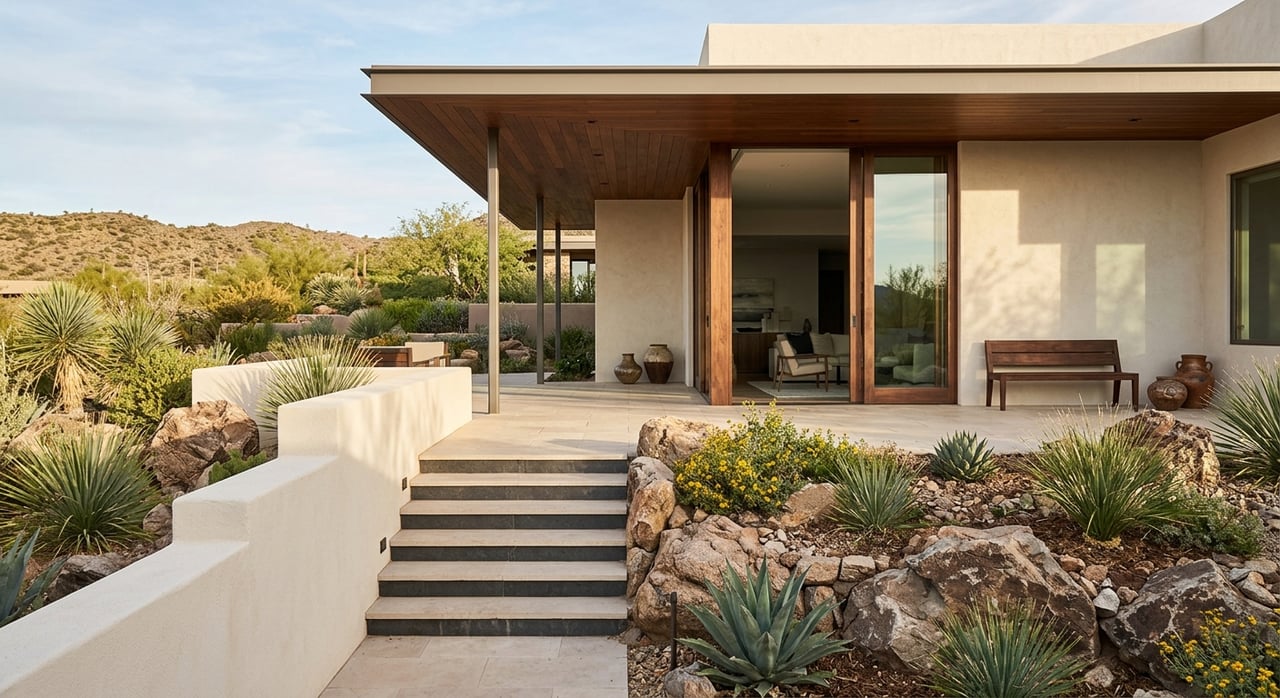
Buying a view home in Fountain Hills can feel like an easy yes. The scenery is a huge part of the town’s appeal, and it is easy to picture yourself enjoying mountain backdrops, desert sunsets, or a patio that looks out over open space. But not every “view” adds the same day-to-day value, and not every premium is worth paying. Before you make an offer, it helps to understand how views, lot conditions, orientation, and long-term livability work together in this market. Let’s dive in.
Why view homes stand out in Fountain Hills
Fountain Hills was planned around its desert setting, mountain views, and open space. The town spans about 24 square miles, with elevation ranging from roughly 1,520 feet at the fountain to about 3,000 feet on Golden Eagle Boulevard. Fountain Park and the town’s signature fountain also shape how many buyers think about location and outlook here.
About 30% of the community is made up of open space, golf courses, and parks. That helps explain why long views are such a consistent part of the local conversation. In Fountain Hills, a view home is often selling a full setting, not just a window line.
View premium is not automatic
One of the biggest mistakes buyers make is assuming any home with a view deserves any asking price. Fountain Hills is not a one-price luxury market. Recent public market snapshots show a median sale price around $686,089, a Zillow home-value index near $667,407, and a median listing price around $730,000, with roughly 484 homes for sale and a balanced market context.
That matters because a view premium should be judged against the broader market, not accepted on sight. Research in other housing markets shows scenic views can command premiums, but the size of that premium varies widely based on view quality, visibility, and price segment. In Fountain Hills, the smart move is to compare the total package rather than assume the view alone explains the number.
What makes a view more valuable
Not all views perform the same in daily life or at resale. In Fountain Hills, the strongest view properties usually combine a broad outlook with a sense of durability. A mountain or open-space backdrop may feel very different from a view that depends on nearby parcels staying exactly as they are today.
As you compare homes, look closely at what the property actually faces. Some homes look toward preserve land, some toward the fountain and park core, and others toward land that may change over time. The more stable and usable the outlook, the more likely it is to support value over time.
Check whether the view is durable
A great listing photo does not always tell you how protected that view really is. You want to know whether the outlook is permanent, partially blocked, or likely to change if nearby lots develop. In a town where elevation and lot placement matter so much, even a strong current view may not mean the same thing five years from now.
This is one of the areas where local guidance matters most. A careful review of the surrounding lot pattern, nearby building sites, and the home’s exact position can help you avoid paying top dollar for a view corridor that may narrow later.
Focus on the rooms you actually use
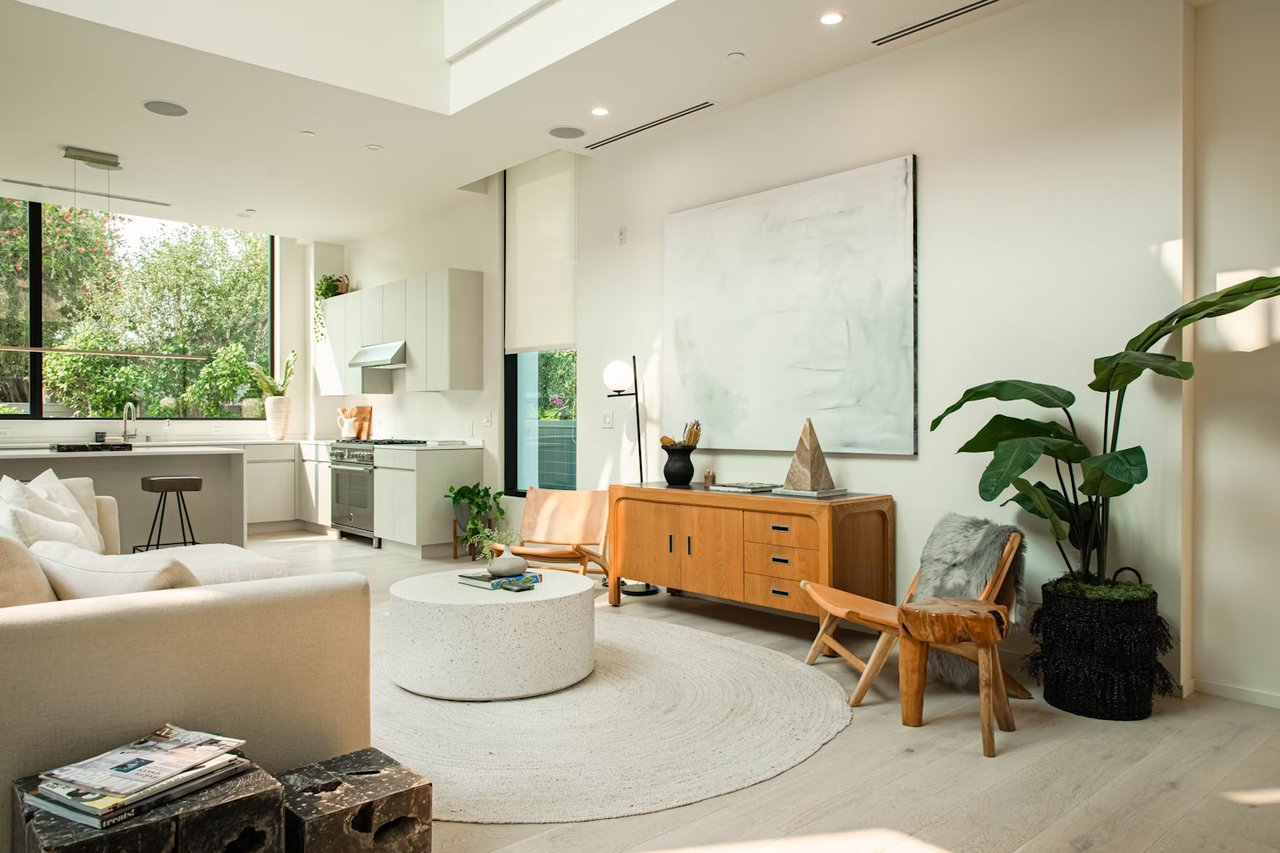
A view has more value when it shows up where your life happens. If the best outlook is only visible from a formal room you rarely use, that may not feel nearly as satisfying as a home where the kitchen, family room, patio, or primary suite takes in the scenery every day.
In practical terms, ask yourself a simple question: do the spaces that matter most actually capture the view? In many Fountain Hills homes, that answer can be just as important as square footage or finish level.
Orientation matters in the desert
A beautiful wall of glass can be a major plus, but in Fountain Hills, orientation affects comfort as much as appearance. The U.S. Department of Energy notes that south-facing windows can capture more winter sun, while east- and west-facing glass is more prone to glare and summer heat gain. It also notes that east- and west-facing glass is harder to shade effectively.
That means you should judge the view together with the home’s exposure. A dramatic afternoon outlook may come with intense glare or heat if the glass and outdoor living areas are not well protected. In this market, comfort and view quality should be evaluated together.
Look at shade, overhangs, and patio use
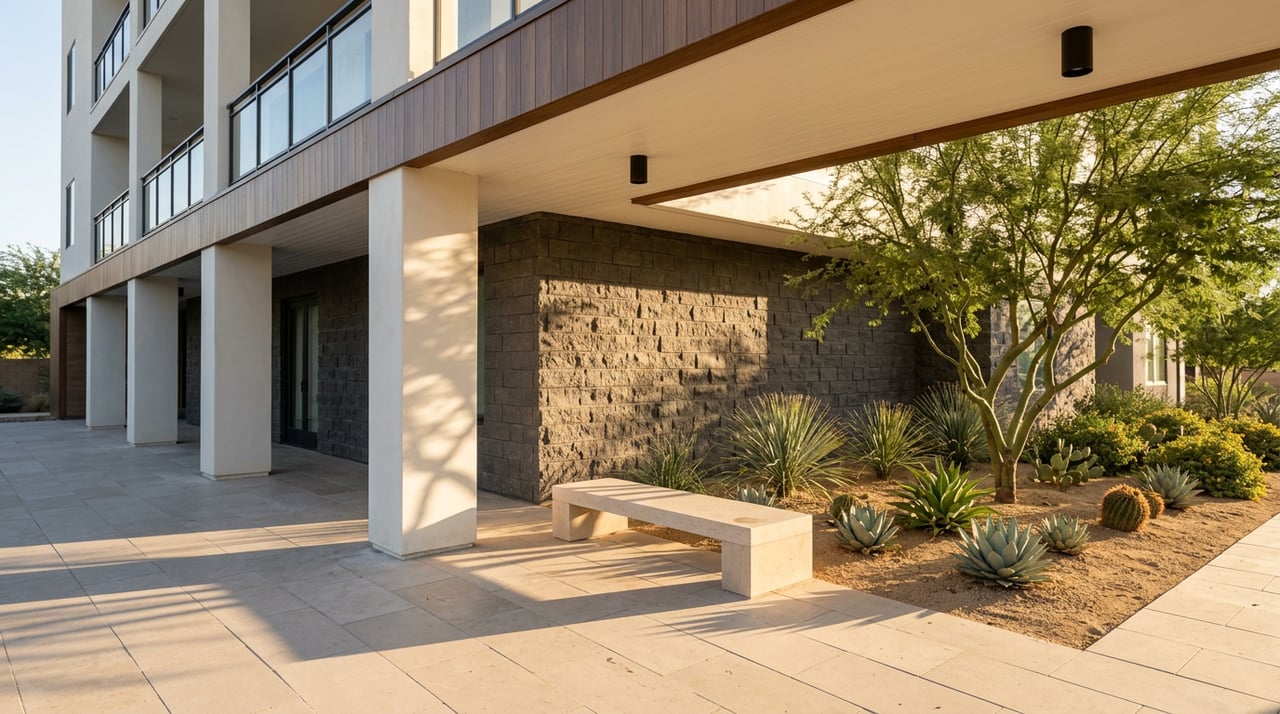
Some of the most appealing Fountain Hills homes are designed to support indoor-outdoor living, not just showcase scenery. Local Adero Canyon design guidelines emphasize broad overhangs, pitched and shed roofs, courtyards, and carefully placed doors and windows to capture breezes and create transition spaces.
That is a useful lens for any buyer in Fountain Hills. As you tour a home, pay attention to overhang depth, patio shade, breezeways, and whether outdoor areas feel usable in the warmer months. A view is much more valuable when you can comfortably enjoy it.
Steep lots can change the equation
Fountain Hills includes hillside and canyon-side homesites, and some lots come with added complexity. The town has specific regulations for downhill lots and separate alternative rules for steep residential lots above 30% slope. For buyers, that is a reminder that the lot itself deserves just as much scrutiny as the home.
A steep site may offer a stronger vantage point, but it can also bring tradeoffs in access, stairs, grading, retaining walls, drainage, and maintenance. If a home feels impressive from the street, take time to picture what daily use will actually look like.
Ask practical livability questions
When you are evaluating a hillside view property, a few practical details can save you from surprises later. Think beyond the photos and consider how the lot works in real life.
Here are a few smart questions to ask:
- How many stairs are involved from the garage, driveway, or main living areas?
- Are there retaining walls or slope features that may need ongoing attention?
- How easy is patio access for daily use and entertaining?
- Does the lot create privacy, or does it expose outdoor spaces to nearby homes or trails?
- How much upkeep will be needed to preserve the view corridor?
Privacy is part of the value equation
A view home can sometimes trade privacy for visibility. In Fountain Hills, some homes sit near trails, hillside routes, or neighboring lots that affect how secluded the property feels. That is why on-site visits matter so much.
Do not assume privacy based only on listing angles. Walk the outdoor spaces, stand at the windows, and note whether nearby foot traffic, adjacent homes, or sight lines change how the home feels. The best view homes usually strike a strong balance between outlook and privacy.
Outdoor maintenance deserves a closer look
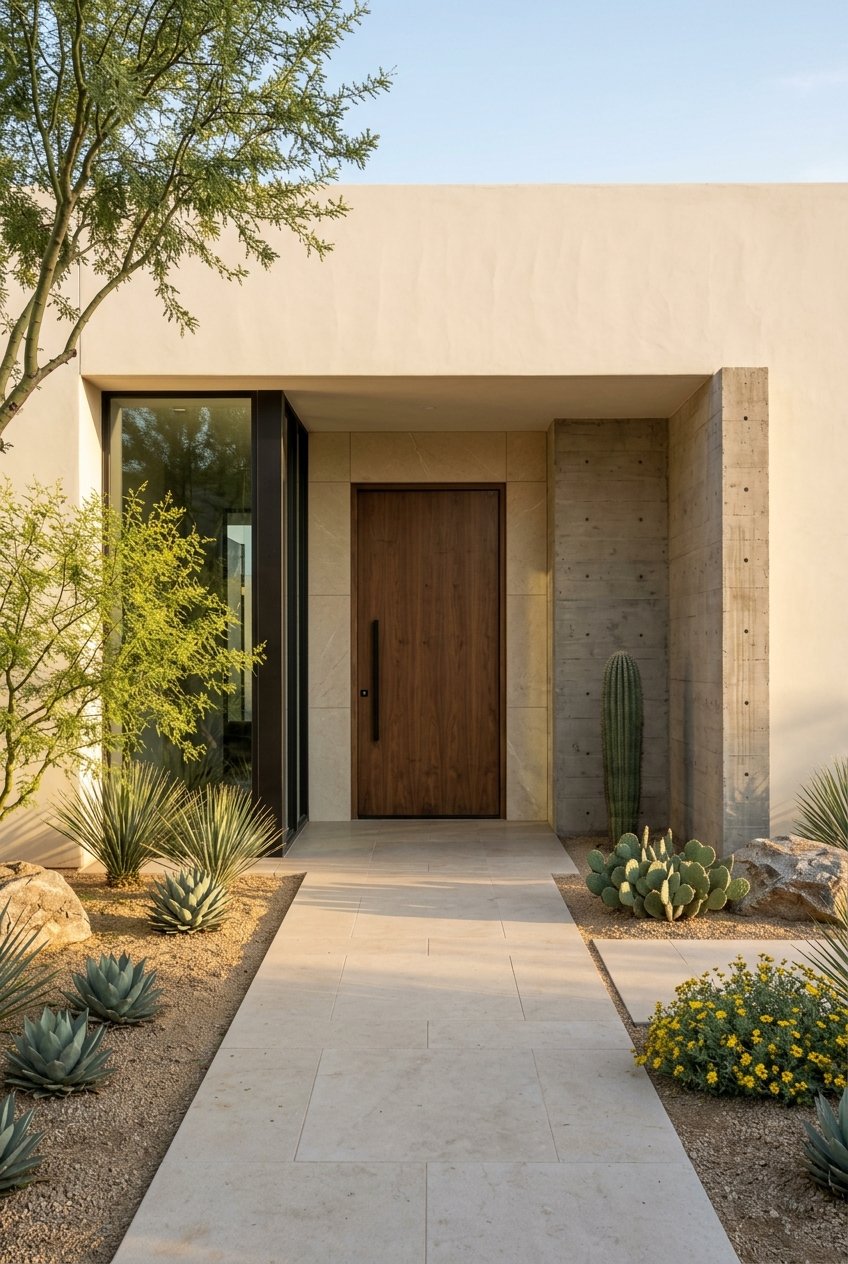
In Fountain Hills, the landscape is part of the ownership experience. The town’s wildfire guidance recommends defensible space extending 30 feet around a structure, with dead plants, brush, and roof-adjacent branches removed. The town also promotes low-water conservation and low-water-use landscaping standards that fit the Sonoran Desert.
For a view home, that means outdoor upkeep is not a side issue. Vegetation trimming, irrigation, slope stabilization, retaining walls, and shaded patio areas can all affect both cost and convenience. A property may look effortless in photos while requiring more ongoing work than you expect.
Price points vary widely by area
Fountain Hills has a significant spread in listing prices by area, which is another reason buyers should avoid broad assumptions. Realtor.com reports median listing prices of about $4.525 million in Eagles Nest, $2.595 million in Firerock, $1.575 million in Sunridge Canyon, $885,000 in Eagle Mountain, and $467,500 in Downtown Fountain Hills.
That range shows how much location, elevation, privacy, outlook, and lot position can influence value. Two homes may both be called “view properties” while offering very different experiences and very different long-term value cases.
A simple checklist before you buy
If you are seriously considering a view home in Fountain Hills, use a practical lens before you fall in love with the scenery alone.
Ask yourself:
- Is the view likely to stay open over time?
- Which interior rooms actually enjoy the outlook?
- Does the patio get enough shade to be usable?
- How intense is the afternoon sun on the glass?
- Is the lot steep enough to add access or maintenance challenges?
- Will you need regular landscape work to keep the view open?
- Does the home give up privacy in exchange for the view?
The best Fountain Hills view home is balanced
The most compelling view homes in Fountain Hills usually have three things in common. They offer a broad and durable outlook, a lot that is manageable to live with, and a design that fits desert conditions through orientation, shade, and usable outdoor space.
That is why the right purchase is rarely just about the prettiest photo. It is about how the home lives, how the lot works, and whether the premium makes sense in the context of the overall Fountain Hills market.
If you want help comparing view homes in Fountain Hills with a calm, detail-focused approach, the Craig Bennett Group can help you evaluate location, lot position, design, and long-term value with clarity.
FAQs
What should you check before buying a view home in Fountain Hills?
- Check whether the view is likely to remain open, which rooms capture it, how much afternoon sun hits the glass, how usable the patio is, and whether the lot adds privacy or maintenance issues.
Do view homes in Fountain Hills always cost more?
- Not always in the same way. A view can add value, but the premium varies based on the quality of the outlook, lot position, privacy, elevation, and the broader market context.
Why does home orientation matter for a Fountain Hills view property?
- Orientation affects glare, heat gain, daylight, and patio comfort, so a great view may feel less enjoyable if the home lacks shade or has heavy west-facing exposure.
Are steep lots common with Fountain Hills view homes?
- Some view homes are on downhill or steep lots, and those sites can bring added considerations like stairs, grading, drainage, retaining walls, and access.
How do Fountain Hills neighborhoods affect view-home pricing?
- Price points vary widely by area, with public listing data showing a broad range from Downtown Fountain Hills to higher-priced areas like Eagles Nest and Firerock, so local comparison matters.
What makes a Fountain Hills view home worth the premium?
- The strongest candidates usually combine a broad, durable view with usable living spaces, good shade, manageable maintenance, and a lot that supports privacy and comfort.