By Craig Bennett Group
Buying a home in Scottsdale represents a significant investment — and in a market where properties range from architecturally distinctive estates in Paradise Valley to custom golf community homes in DC Ranch and Gainey Ranch to newer builds in North Scottsdale, the home inspection is one of the most important tools a buyer has. We guide clients through this process regularly, and the buyers who use their inspection most effectively are the ones who approach it as a strategic decision-making tool rather than a procedural checkbox. Here is everything you need to know before your inspection.
Key Takeaways
-
Scottsdale's climate and property types create specific inspection considerations — from sun-worn roofs and desert landscaping to complex pool systems and multi-zone HVAC — that require an inspector experienced in Arizona conditions.
-
The inspection contingency period in Arizona is your primary window for due diligence — use it fully and schedule the inspection immediately upon going under contract.
-
Knowing the difference between material deficiencies and normal wear is critical for using inspection findings strategically without alienating a seller unnecessarily.
-
Specialized inspections beyond the standard report are often warranted in Scottsdale and Paradise Valley, particularly for pools, roofing systems, and aging mechanical equipment.
Why Scottsdale's Market Requires an Arizona-Specific Inspector
Not all home inspectors are equally equipped to evaluate a Scottsdale or Paradise Valley property. Arizona's desert climate creates conditions — extreme UV exposure, monsoon moisture intrusion, expansive soil movement, and heat stress on mechanical systems — that differ fundamentally from what inspectors trained in other climates are accustomed to.
In Scottsdale, a licensed inspector with documented experience in Arizona's specific building practices, materials, and climate-driven wear patterns is essential. The inspection report you receive should reflect genuine familiarity with what is typical for a home of that age, construction type, and desert exposure — not alarm at conditions that are normal and well-managed.
In Scottsdale, a licensed inspector with documented experience in Arizona's specific building practices, materials, and climate-driven wear patterns is essential. The inspection report you receive should reflect genuine familiarity with what is typical for a home of that age, construction type, and desert exposure — not alarm at conditions that are normal and well-managed.
Arizona-Specific Conditions Every Inspection Should Evaluate
-
Roof condition and UV degradation: Scottsdale's intense sunlight accelerates the deterioration of roofing materials — tile roofs, foam roofs, and flat sections all require different evaluation approaches, and an inspector must be equipped to assess each appropriately
-
HVAC system condition and age: In Arizona, cooling systems work harder than virtually anywhere else in the country. The age, condition, and efficiency of the HVAC system — particularly in properties with multiple zones — is a critical inspection finding
-
Pool and spa systems: Most Scottsdale luxury properties include pools and spas — their surfaces, plumbing, equipment, and electrical systems require a certified pool inspection beyond what the standard report covers
-
Foundation and soil conditions: Arizona's expansive soil can produce foundation movement, particularly after monsoon cycles — inspectors should evaluate cracking, settlement, and drainage patterns carefully
-
Monsoon and moisture intrusion: Roof-to-wall junctions, window penetrations, and flat roof sections are common entry points for monsoon moisture — these require specific attention
How the Arizona Inspection Contingency Works
In Arizona's standard residential purchase contract, buyers have an inspection period during which they have the right to conduct any inspections they choose and request repairs or price adjustments based on findings. The length of this period is negotiated as part of the offer — typically five to ten days for standard transactions, though we often negotiate appropriately for the scope of the property.
Unlike some states where the inspection contingency has specific triggers for termination, Arizona's inspection period allows buyers to terminate the contract for any reason during this window. This gives buyers genuine protection — but it also makes using the window efficiently essential. In Scottsdale's active market, inspectors are busy, and getting an appointment quickly after going under contract is the first critical step.
Unlike some states where the inspection contingency has specific triggers for termination, Arizona's inspection period allows buyers to terminate the contract for any reason during this window. This gives buyers genuine protection — but it also makes using the window efficiently essential. In Scottsdale's active market, inspectors are busy, and getting an appointment quickly after going under contract is the first critical step.
How to Use the Arizona Inspection Period Strategically
-
Schedule the inspection within the first 24 to 48 hours of going under contract — do not wait
-
Attend the inspection in person when possible — an inspector walking you through findings in real time is far more useful than reading a report later
-
Read the complete inspection report, not just the executive summary — important findings sometimes appear in sections buyers skip
-
Identify which findings are safety concerns, which are deferred maintenance, and which are normal aging — these categories require different responses
-
Use the remaining days in the inspection period to schedule any specialist inspections before making decisions
What the Standard Inspection Covers — and What It Doesn't
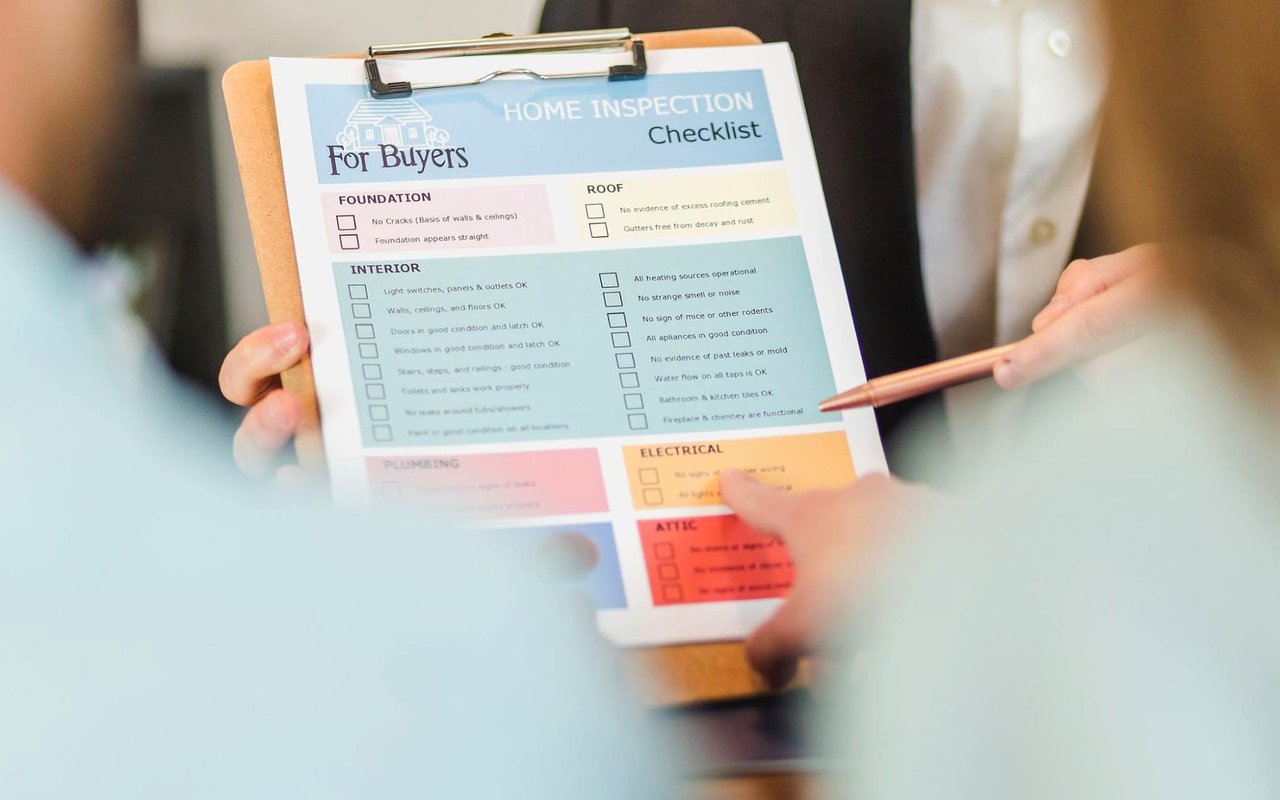
An Arizona-licensed home inspector evaluates the major visible and accessible systems and components of a property: the roof, foundation, exterior, plumbing, electrical, HVAC, interior finishes, and built-in appliances. The report documents findings with photographs and organizes them by priority.
What the standard inspection does not cover: items behind walls or under slabs, systems that require specialist certification, and cosmetic conditions that don't affect structure or function. In Scottsdale and Paradise Valley, where properties frequently include pools, complex rooflines, chimneys, and aging mechanical equipment, understanding the gap between what the standard report covers and what the property actually contains is essential.
What the standard inspection does not cover: items behind walls or under slabs, systems that require specialist certification, and cosmetic conditions that don't affect structure or function. In Scottsdale and Paradise Valley, where properties frequently include pools, complex rooflines, chimneys, and aging mechanical equipment, understanding the gap between what the standard report covers and what the property actually contains is essential.
Specialist Inspections Worth Considering in Scottsdale
-
Pool and spa inspection: A certified pool inspector evaluates surface condition, structural elements, equipment age and function, and electrical safety — not included in the standard report
-
Roof certification or extended inspection: For tile or foam roofs with complex penetrations, a roofing contractor's evaluation supplements what the standard inspector can assess from accessible areas
-
Sewer scope: Older Scottsdale properties may have aging sewer lines vulnerable to root intrusion or deterioration — a camera scope inspection is a modest cost for significant peace of mind
-
Structural engineer's evaluation: When foundation movement is noted in the standard report, a structural engineer's assessment provides the definitive picture of cause and required remediation
-
Thermal imaging: Advanced inspection companies in Scottsdale offer thermal imaging that can reveal moisture intrusion, insulation gaps, and electrical hot spots invisible to a standard walkthrough
How to Use Inspection Findings in Your Negotiation
The inspection report is not a punch list of demands — it is starting material for a strategic conversation. Our approach with every buyer is to identify findings that fall into genuinely material categories: safety hazards that must be addressed before closing, significant mechanical or structural deficiencies that affect the home's value or livability, and normal wear that the buyer accepts as part of purchasing a property at that age.
Asking for every item on the inspection report is a mistake that costs buyers goodwill and often the deal. A focused, well-justified repair request centered on material findings — backed by the inspection report and, where appropriate, contractor estimates — is far more effective.
Asking for every item on the inspection report is a mistake that costs buyers goodwill and often the deal. A focused, well-justified repair request centered on material findings — backed by the inspection report and, where appropriate, contractor estimates — is far more effective.
FAQs About Home Inspections in Scottsdale
How much does a home inspection cost in Scottsdale?
Standard home inspections for Scottsdale properties typically range from $400 to $700 or more depending on the home's size and complexity. Pool inspections, thermal imaging, and other specialist services are priced separately and should be budgeted for in advance of going under contract.
Do I need a separate pool inspection if the standard inspection covers the pool?
Yes. Standard home inspectors evaluate pools at a surface level — they check visible equipment and note obvious conditions. A certified pool inspector conducts a more detailed evaluation of the pool's structure, plumbing, surface condition, and equipment that the standard inspection is not designed to provide.
What happens if the inspection reveals significant issues?
During your inspection contingency period, you have several options: request repairs or a price reduction from the seller, accept the property as-is with full knowledge of conditions, or terminate the contract. Which path makes sense depends on the nature and severity of the findings and what comparable properties offer — a conversation we have with every buyer in real time as the report comes in.
Begin Your Journey With Craig Bennett Group
Navigating the home inspection process in Scottsdale and Paradise Valley requires both market knowledge and genuine local experience. We guide our clients through every step — from selecting the right inspector to interpreting findings and using them strategically in negotiation. Connect with us today and let's make sure your Scottsdale purchase is protected at every stage.